

Vermouth dispensed by tap: a guide for bars, restaurants and events
Vermouth on tap is an increasingly attractive solution for bars, restaurants, vermouth bars, hotels, caterers and events. It allows you to serve an iconic drink quickly, consistently and appealingly, reducing open bottles, improving turnover and making the bar experience more consistent. For it to work well, you must control product, container, gas, cooling, line, tap, oxidation, cleaning and maintenance.

Quick summary
Vermouth on tap consists of serving vermouth from a keg, Bag-in-Box, or technical container through a system using cooling, gas or pump, food-grade tubing, and a professional tap. Its goal is to keep the drink protected from light and oxygen, serve it at a stable temperature, speed up service, and reduce waste compared with intensive bottle use.
What you need to know before installing vermouth on tap
Vermouth should not be treated exactly like beer. It’s a wine-based drink, flavored, with sugar, alcohol, botanicals and a sensory profile that is sensitive to oxidation, temperature and cleanliness. That’s why, before installing a vermouth tap you must define the supply format, turnover, serving temperature, type of gas or pump, line materials and cleaning routine.
A good vermouth-on-tap system is not just about adding one more tap to the bar. It’s about designing a line tailored to an aromatic, sweet or semi-sweet drink with its own storage and serving requirements.
Guide contents
- What draft vermouth is
- Why it matters in hospitality
- Keg, KeyKeg, or Bag-in-Box
- How the installation works
- Gas, pressure, and oxidation
- Serving temperature
- Taps, lines and materials
- Cleaning and maintenance
- Which system to choose for your business
- Relationship with multi‑beverage systems
- Frequently asked questions
What is vermouth on tap?
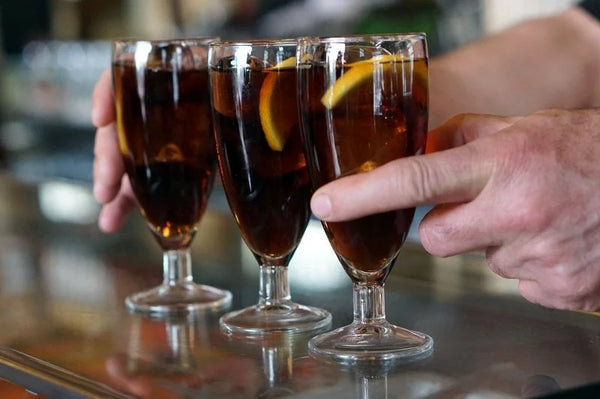
Draft vermouth dispensed from a tap is an installation that allows you to serve vermouth directly from a larger container—keg, keg barrel, Bag-in-Box, tank or equivalent system—to a tap or service point. The drink can be served on its own, with ice, orange, olive, seltzer, soda, or as the base for a mixed cocktail.
The original article already explained that vermouth on tap offers freshness, stable temperature, consistent quality, profitability, and sustainability. This version expands on that idea with the technical side: how to protect vermouth from oxidation, which gas to use, how to clean the lines, when to choose Bag-in-Box, and how to prevent the setup from competing with other beverage-on-tap systems.
Vermouth depends on botanicals, base wine, sugar, bitterness, and balance. The line must not alter its profile.
A tap lets you serve many rounds of vermouth faster and with less bottle handling.
Cooling, gas, pressure, cleaning, rotation, and materials determine the final quality in the glass.
Why it makes sense to serve vermouth on tap in hospitality
Vermouth consumption is closely tied to specific moments: aperitif, midday, late afternoon, terrace, vermouth bar, informal counter, tapas menu, events and quick service. In those contexts, the tap can offer clear advantages over opening many bottles during service.
| Advantage | What it brings to the business | What needs to be controlled |
|---|---|---|
| Consistent quality | The product comes from a single container and with more consistent service. | Temperature, pressure, cleaning and turnover. |
| More speed | Fewer bottles to open and faster service at peak times. | Proper flow rate and a tap that’s comfortable for the staff. |
| Less waste | Reduction in glass, crates, and logistical handling. | Proper management of containers and supplier. |
| Better control by the glass | Makes it easier to control dosage, cost and service consistency. | Staff training and serving glass. |
| Bar image | The vermouth tap can reinforce the venue’s identity, aperitif culture and overall experience. | Font, handle, drip tray and presentation. |
| Events and catering | Allows you to serve high volume with less dependence on bottles. | Cooling, gas, transport, installation and technical support. |

Do you want to serve vermouth on tap at your venue?
We can help you define whether you need keg, Bag-in-Box, tap, pump, gas, cooling, tubing, fittings, cleaning or a complete installation for bar, terrace or event.
See vermouth dispensers Request adviceVermouth in keg or Bag-in-Box: practical differences
Vermouth can be served from different formats. The choice depends on the supplier, consumption volume, rotation, logistics, space, type of installation and whether the product requires pressure, pump or inert gas.
| Format | How it works | Advantages | When to choose it |
|---|---|---|---|
| Metal keg or barrel | Pressurizable container, similar to other tap drink systems. | Robust, professional, with good integration between tap and gas. | Bars, vermuterías, restaurants and venues with medium-high turnover. |
| KeyKeg or other kegs with inner bag | The beverage goes inside a bag and is pushed out by pressurizing the outer space. | Reduces direct contact between gas and drink if the system is compatible. | Projects that aim to better protect the product and simplify logistics. |
| Bag-in-Box | Flexible bag inside a box, connected to a pump, tap, or dispensing system. | Lightweight, space-efficient, less glass waste. | Venues with good rotation, by-the-glass service or pre-mixed vermouth. |
| Tank or vessel | Technical container for high-volume projects. | Allows large volumes and system control. | Events, in-house production, chains or special installations. |
| Traditional bottle | Manual bottle-to-glass service. | Flexible, no installation, variety by reference. | Low turnover, small menu, or service of specific premium references. |
Bag-in-Box does not automatically mean postmix
A Bag-in-Box can contain vermouth already finished and ready to serve. In that case it works as a premix drink: it is not mixed with water or soda inside the system. If the product is a concentrated base or a recipe that is completed at service, then the system must be studied as a hybrid solution.
How a vermouth-on-tap system works
A vermouth-on-tap setup can be simple or very complete. In its basic version, it connects the vermouth container to a product line, a driving system, chilling if needed, and a service tap. In professional projects, it can include a custom tower, drip tray, pump, inert gas, regulator, chiller, cold room, check valves, cleaning, and staff training.
1. Product
Define the vermouth: red, white, dry, reserva, pre-mixed, with soda or for cocktails.
2. Packaging
You choose a keg, barrel, Bag-in-Box, KeyKeg, tank, or equivalent solution.
3. Dispense pressure
Decide whether it will use inert gas, CO₂, N₂, a pump, or the system’s own pressure.
4. Cooling
You define whether the product is stored cold, chilled in‑line or served over ice.
5. Line and tap
Tubes, fittings, tap, tower, drip tray, and service point are installed.
6. Cleaning
A cleaning and inspection protocol is set according to sugar content, rotation and use.
Gas, pressure and oxidation: the most delicate point
Because vermouth has a wine base and botanicals, it can lose freshness and aromatic precision if it is exposed too much to oxygen, heat or a poorly maintained line. That’s why gas should not be chosen solely based on availability: you must assess whether you want to protect the product, drive it, avoid unwanted carbonation or maintain a stable profile.
For still vermouths, the usual goal is to avoid unwanted carbonation. In many cases it may be preferable to work with low-solubility gases or systems that minimize contact with oxygen. For prepared vermouths, spritzes, soda blends, or products designed to be served with bubbles, the use of CO₂ can make sense as part of a technical recipe.
| Gas or propellant | Possible use | Advantage | Caution |
|---|---|---|---|
| Nitrogen | Drive still vermouth with lower risk of carbonation. | A good option to protect and push product without adding noticeable bubbles. | Pressure and system compatibility must be adjusted. |
| Argon | Inerting and protection against oxygen. | Very interesting for minimizing oxidation in wine-based products. | Cost and availability may limit its use in day‑to‑day hospitality. |
| CO₂ | Vermouth with soda, spritz, lightly carbonated products, or specific systems. | Available and useful if the recipe calls for carbonation. | It can carbonate the vermouth if it’s not controlled or if that’s not the goal. |
| N₂/CO₂ blend | Hybrid solutions with low carbonation or balanced pressure. | It can help on specific lines or in aperitif recipes. | It must be validated with the product and supplier. |
| Pump | Bag-in-Box or flexible containers. | It doesn’t always require pressurizing the entire container. | You must control cleaning, flow, seals and food-grade compatibility. |
Not all gases are suitable for all vermouths
If you use CO₂ on a still vermouth, you can alter its mouthfeel. If you use insufficient pressure, flow may be lacking. If you use air, you can accelerate oxidation if it comes into contact with the product. The choice must be made according to the vermouth, packaging, distance, tap and service goal.
Serving temperature for vermouth on tap
Vermouth is usually served cold or chilled, often over ice. In a tap system, this does not mean the line can be warm. If the product reaches the tap hot, the ice melts faster, service becomes inconsistent, and the aromas can feel heavy or muddled.
The ideal temperature depends on the type of vermouth, the supplier, the format and how it is served: neat, with ice, with siphon, with soda, as a spritz or as a cocktail base. In hospitality it’s advisable to work with a stable temperature and a defined serving protocol.
| Type of service | Objective | Technical recommendation |
|---|---|---|
| Red vermouth on the rocks | Classic aperitif service. | Fresh product, clean tap, quality ice, and consistent garnish. |
| White or dry vermouth | Lighter profile, aperitif, or cocktail use. | Control oxidation and temperature to preserve aromas. |
| Vermouth with soda or siphon | Longer, more refreshing serve. | Separate vermouth and soda lines; control gas and ratio. |
| Spritz or pre-mixed vermouth | High turnover and fast service. | Validate recipe, gas, cooling, carbonation and cleaning. |
| Outdoor event | High volume in a short time. | Plan for enough cold, shade, ice, gas and a prior test. |
Taps, lines and materials for vermouth
Vermouth contains alcohol, sugar, botanicals, natural or authorized colorants depending on the product, and an aromatic wine base. That’s why it’s important to use suitable food-grade materials, clean lines, compatible fittings, and taps that are easy to disassemble and maintain.
A beer tap can serve as a functional reference, but not all taps or systems are ideal for vermouth. The decision must take into account viscosity, sugar, cleaning frequency, desired flow rate, type of tower, bar aesthetics, and ease of service.
- Tap or service valve.
- Column or bar tower.
- Compatible food-grade tubing.
- Fittings and quick‑connect couplers.
- Drip tray.
- Pump or gas, depending on the container.
- Cooling system or cold room.
- Lines that are too long without cold control.
- Materials not compatible with alcoholic beverages.
- Tap that is hard to clean.
- Sugar residue on the nozzle.
- Oxidation due to poorly protected packaging.
- Drips on the bar due to lack of a drip tray.
- Flavor mixing due to shared line.
Choose a compatible tap, tubing, and fittings
A good vermouth can lose quality if it’s served from an unsuitable line. Check tap, food-grade tubing, fittings, gas, cooling, and cleaning before installing.
See taps and towers See food-grade tubingCleaning and maintenance of the vermouth tap
Maintenance is critical. Vermouth can contain sugars and aromatic compounds that leave residues in the line, nozzle, tap and connectors. If it is not cleaned properly, you may get drips, off-odors, mixed flavors, blockages or loss of quality in the glass.
Cleaning frequency depends on the product, turnover, temperature, line length and actual use. In hospitality, it’s advisable to set a protocol from day one: tap cleaning, purging if needed, checking fittings, tray cleaning and periodic maintenance of the entire line.

| Area to check | Why it matters | Sign of lack of maintenance |
|---|---|---|
| Tap nozzle | Final contact with the glass and the bar environment. | Drips, sticky residue, odors, or insects. |
| Vermouth line | It carries the product and can retain aromas or sugar. | Stale, oxidised, off-flavour or mixed-drink taste. |
| Fittings and connectors | They prevent leaks and air ingress. | Loss of pressure, oxidation or dripping. |
| Drip tray | It collects vermouth remnants, melted ice, and garnishes. | Bad smell, sticky residue, and poor bar appearance. |
| Container and product pickup point | Protects against oxygen and contamination. | Flat, oxidized product or low flow. |
Vermouth on tap needs a dedicated line
Whenever possible, avoid sharing a line with other products. Vermouth has intense aroma and sugar; it can leave residual flavor and can also absorb notes from a line previously used for another drink.
Which system to choose according to your type of business
The best on‑tap vermouth installation depends on the type of venue. A high‑turnover vermouth bar is not the same as a restaurant that only serves vermouth at weekends or an afternoon event with very high volume in just a few hours.
| Type of business | Typical need | Recommended configuration | Objective |
|---|---|---|---|
| Vermouth bar | High turnover, product identity and fast service. | 1–3 dedicated taps, stable cooling, gas or pump, scheduled cleaning. | Consistent quality and a differentiated bar offering. |
| Tapas bar | Aperitif, midday and round‑based service. | Red vermouth tap, tray, short line and a fast-moving format. | Speed and better margin per glass. |
| Restaurant | Aperitif service and a carefully curated drinks menu. | Bag-in-Box or keg depending on consumption, chilling and service over ice. | Reduce open bottles and maintain consistency. |
| Hotel or rooftop bar | Several bars, terrace, pool, or event. | Integrated system with cocktails, wine, water and beer on tap. | Replicate quality and speed across service points. |
| Event or catering | Quick setup and concentrated volume. | Portable dispenser, keg or Bag‑in‑Box, ice, gas and a prior test. | Serve many glasses with little staff and less waste. |
| Cocktail station | Vermouth as an ingredient for Negroni, Americano, spritz or your own recipes. | Dedicated line or cocktail-on-tap system if the recipe is stabilized. | Speed without losing recipe precision. |
How it complements multi-beverage systems
This article should target the specific intent: vermouth dispensed on tap. Its purpose is to explain what it is, how it works, what advantages it has and what a venue must control to serve vermouth correctly.
The page on draft beverage systems for hospitality must remain the commercial hub for multi-beverage projects: beer, wine, vermouth, cocktails, postmix, water, nitro coffee, kombucha, cider, mead and other drinks. That way the article educates about a specific drink and the page converts global projects.
| Contents | Main keyword | Function | CTA |
|---|---|---|---|
| Article on vermouth on tap | vermouth on tap | Explain storage, gas, chilling, packaging, cleaning, and the advantages of vermouth. | See vermouth dispensers or request advice. |
| Multi-beverage systems page | tap beverage systems for hospitality | Attract full projects with multiple beverages and technical study. | Request a full multi-beverage project. |
| Future article on wine on tap | dispense wine on tap | Go deeper into still wine, inert gas, oxidation and by-the-glass service. | Refer to Install Wine and wine/vermouth solutions. |
What to buy or check to set up vermouth on tap
A vermouth system may look simple, but if it’s built with unsuitable components it can cause oxidation, dripping, poor cleaning, residual flavour or product losses. These are the main technical families.
| Need | Recommended product or service | Internal link |
|---|---|---|
| Serving vermouth from barrel or Bag-in-Box | Dispenser, pump, tap, line, and specific accessories. | Vermouth dispensers |
| Install the visible point on the bar | Tap, tower, handle, drip tray and service stand. | Taps and towers |
| Boost or protect the product | Gas, regulator, pressure gauge, pump, or system depending on the container. | Gas and regulators |
| Connect the beverage line | Food-grade tubing compatible with alcoholic and aromatic beverages. | Dispensing tubes |
| Avoid leaks and air ingress | Fittings, quick-connect couplers, seals and check valves. | Connectors and fittings |
| Maintain flavor and hygiene | Cleaning canister, adapters, detergents, and cleaning routine. | Cleaning and maintenance |
| Design a professional solution | Technical study, supply, installation, commissioning and training. | Dispenser installation |
Checklist before installing vermouth on tap
- Confirm whether the vermouth is supplied in keg, KeyKeg, Bag-in-Box or tank.
- Define weekly rotation and estimated number of glasses.
- Decide storage and serving temperature.
- Choose a compatible gas, pump, or driving system.
- Avoid unwanted carbonation if the vermouth is still.
- Use food-grade tubing and compatible connectors.
- Plan for a dedicated line to avoid flavor mixing.
- Place the drip tray and a conveniently located cleaning point.
- Define a cleaning protocol according to sugar content, usage, and product.
- Train the team on changing containers, purging, service, and spotting issues.
Design your vermouth-on-tap system with solid technical criteria
At Install Beer we can help you study format, gas, cooling, tap, line, cleaning, installation and maintenance to serve vermouth on tap in bars, restaurants, vermuterías, hotels or events.
See solutions for vermouth Request a projectFrequently asked questions about vermouth on tap
What is vermouth dispensed on tap?
It is a system that allows vermouth to be served from a barrel, keg, Bag-in-Box or other technical container to a professional tap, controlling cooling, gas, line, tap and cleaning to maintain consistent service quality.
Does vermouth on tap keep better than an open bottle?
It can better preserve consistent service if the system protects the product from light, oxygen and improper temperature. Preservation will depend on packaging, gas, turnover, cleaning and the supplier’s recommendations.
What gas is used to serve vermouth on tap?
It depends on the product and the container. For still vermouth, it’s usually best to avoid unwanted carbonation, so nitrogen, argon, blends, or pumps can be considered. CO₂ makes sense in recipes with soda, spritz, or products designed for bubbles.
Can vermouth be served from a Bag-in-Box?
Yes. Bag-in-Box can be a practical option for vermouth if the product is prepared for that format and is installed with a suitable pump, tap, line and cleaning.
Does vermouth on tap need chilling?
It’s usually best to store and serve it chilled, although the exact temperature depends on the type of vermouth, supplier, format, and service. If it’s served over ice, the product must also reach the glass in good condition.
Can I use a beer tap for vermouth?
It depends on the tap, materials, cleaning, line, and service goal. Not all taps are ideal for aromatic, sugary drinks. It’s advisable to check compatibility before installing.
How often should a vermouth line be cleaned?
It depends on the product, sugar, turnover, and usage. In hospitality there must be a regular routine for cleaning the line, tap, nozzle, connectors, and drip tray to avoid residues, odors, and off-flavors.
Is vermouth on tap suitable for events?
Yes. It’s an interesting solution for events, catering, fairs, terraces, or high-volume service, as long as cooling, gas or pump, setup, prior testing, and post-service cleaning are planned.
What advantages does it have over bottled vermouth?
It can improve service speed, reduce glass usage, make serving by the glass more consistent, optimize space and strengthen the bar’s identity. The real advantage depends on the system being well designed and maintained.
Can Install Beer install a vermouth tap?
Yes. Install Beer can help you design, supply, install, and maintain vermouth-on-tap systems for hospitality, events, and multibeverage projects.
Technical note: vermouth is an aromatized, wine-based drink. Its service on tap must be adapted to the specific product, supply format, gas, temperature, distance, materials, cleaning, turnover and the producer’s or supplier’s recommendations.