add wishlist add wishlist show wishlist add compare add compare show compare preloader

Vermouth dispenser from keg and Bag-in-Box to tap

Draft vermouth dispensing from kegs and Bag‑in‑Box is an innovative and sustainable way to serve vermouth in bars, restaurants and at events. This system allows vermouth stored in kegs or hermetically sealed bags (Bag‑in‑Box) to be served directly through taps, ensuring freshness, quality and a unique experience for customers.


  • Find your vermouth dispenser
  • CategoriesAll 13 results
    Sort by Features

  • System components

  • 1. Keg or Bag-in-Box: The vermouth is stored in kegs or hermetically sealed bags (Bag-in-Box), which can vary in size and capacity. These containers protect the vermouth from light and oxygen, helping to maintain its quality and flavor.

    2. Fittings and tubing: Proper fittings and tubing are essential to connect the keg or Bag-in-Box to the dispensing tap. This tubing must be made from specific, durable materials to ensure the quality of the vermouth and prevent cross-contamination.

    3. Pressurization system: To dispense vermouth properly and consistently, a pressurization system is used, generally with an inert gas such as carbon dioxide (CO2) and nitrogen (N2). These gases do not react with the vermouth and help maintain its flavor and characteristics.

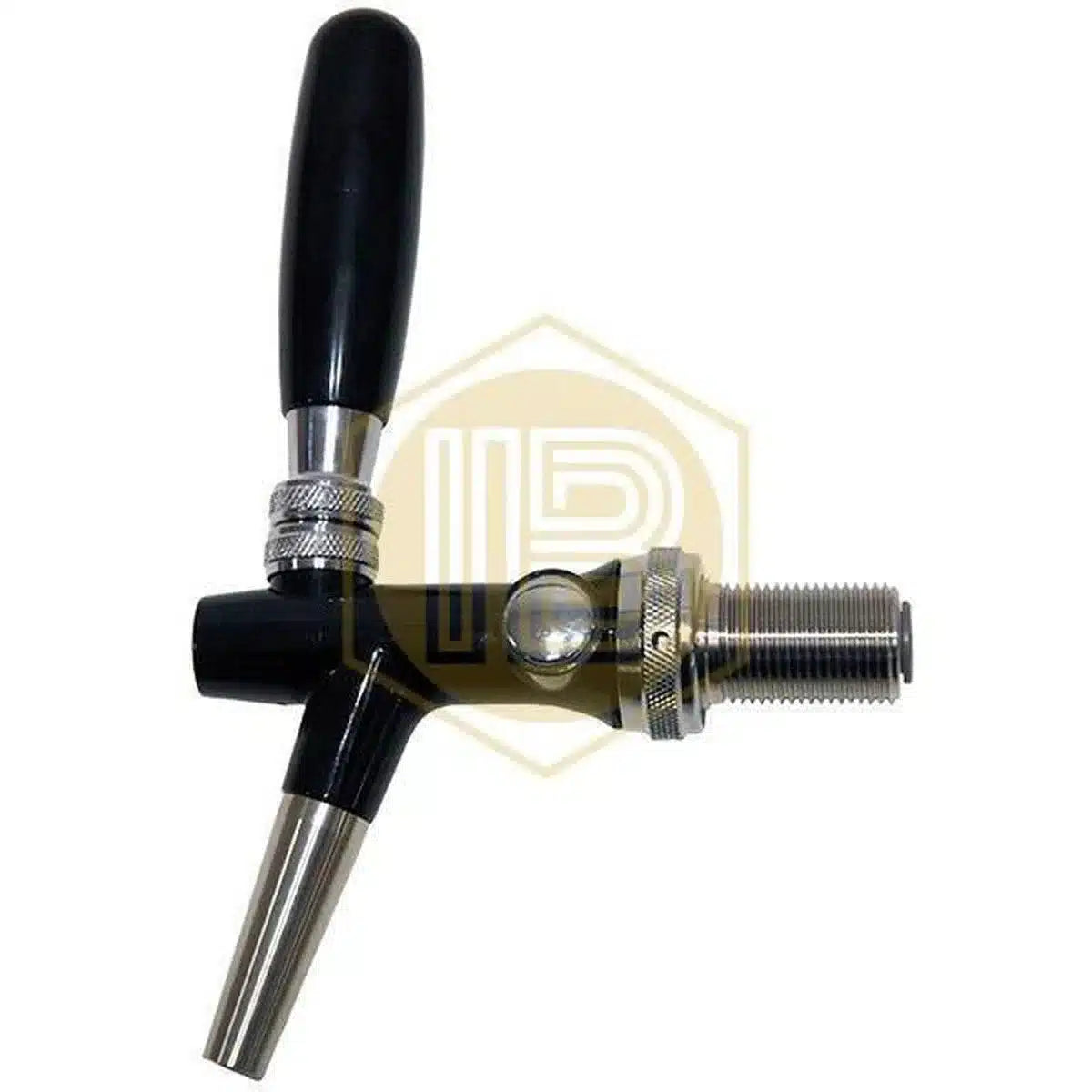
    4. Dispensing tap: It is important to use taps specifically designed for vermouth, without filters or flow compensators, engineered to dispense vermouth from kegs or Bag-in-Box correctly and to preserve its quality and organoleptic properties.

  • Advantages of a vermouth dispenser

  • 1. Waste reduction and lower environmental impact: Serving vermouth on tap minimizes the use of glass bottles and other packaging, reducing the volume of waste generated and lowering the carbon footprint.

    2. Consistent freshness and quality: Dispensing vermouth from kegs or Bag-in-Box on tap ensures the drink stays fresh and high quality by protecting it from light and oxygen, preserving its flavor and aroma.

    3. Ease of use and fast service: Vermouth dispensers are easy to install and use at home, allowing enthusiasts to enjoy their favorite drink with convenience and comfort, just like in bars and restaurants.

    4. Savings and customization: Vermouth in kegs or Bag-in-Box is usually more economical than bottled vermouth, allowing consumers to enjoy their favorite vermouths at a lower cost. In addition, dispensers offer the opportunity to explore and serve different types and styles of vermouth, tailoring the tasting experience to individual preferences.

  • Maintenance and care of the vermouth dispenser

  • As with any dispensing system, regular maintenance is important to ensure optimal operation and consistent quality of the vermouth served. This includes cleaning and disinfecting the lines and taps, checking fittings and seals, and making sure the pressurization system is working properly and maintaining the correct pressure.

    Vermouth on tap


    Vermouth is a fortified, aromatized alcoholic beverage made from wine, herbs, spices, roots, and often a touch of sugar. Dry white wine is typically used, although rosé or red wines can also be employed, and its alcohol content ranges from 16% to 22%.

    Chilled vermouth served on tap is a common way of offering it in bars and restaurants, ensuring its freshness and distinctive flavor through a tap dispensing system.

    Installation and vermouth-on-tap dispensing system


    A vermouth-on-tap dispensing system is installed similarly to other beverage systems such as beer or wine. The vermouth is stored in a keg or Bag-in-Box in a refrigerated chamber, kept at a constant temperature.

    Dispensing lines connect the container to the tap, which can be standard or equipped with a compensator to control the flow rate and volume of vermouth. A gas cylinder is used to pressurize the container and ensure a constant flow. It is recommended to hire a professional or follow local hygiene regulations and carry out regular maintenance to ensure the quality and cleanliness of the vermouth dispensed.

    Preguntas Frecuentes

    Draft vermouth and Bag-in-Box dispensing by tap is a method of serving vermouth stored in kegs or in airtight bags (Bag in Box) directly through taps. This system helps maintain the freshness and flavor of the vermouth while reducing waste and improving efficiency in bars and restaurants.

    The key components in a draft vermouth and Bag-in-Box dispensing system include the vermouth keg or bag (Bag in Box), the appropriate connections and tubing, the pressurization system (usually using inert gas such as carbon dioxide CO2 and nitrogen N2), and the dispensing tap.

    Draft vermouth and Bag-in-Box dispensing by tap offers several advantages, such as reduced glass waste, less storage space, a lower environmental impact due to less packaging, a longer shelf life after opening, and a lower risk of vermouth oxidation.

    The shelf life of vermouth in kegs and Bag in Box after opening can vary, but it is generally several weeks. The shelf life can be longer if a pressurization system with inert gas is used, as this helps prevent oxidation and maintain the quality of the vermouth.

    It is important to use a tap specifically for vermouth, without filters or flow compensators, designed to dispense vermouth from kegs or Bag in Box. These taps are designed to handle vermouth properly and maintain its quality and organoleptic characteristics.

    Generally, inert gases such as carbon dioxide CO2 and nitrogen N2 are used to pressurize vermouth in a keg and Bag-in-Box dispensing system. These gases do not react with the vermouth and help prevent oxidation and maintain its quality.

    As with any dispensing system, it is important to carry out regular maintenance, such as cleaning and disinfecting the lines and taps, as well as checking the connections and seals. It is also important to ensure that the pressurization system is airtight and stable.

    Red vermouth (rosso): Of Italian origin, red vermouth is dark in color and has a sweet, spicy flavor with notes of caramel and herbs. It is ideal for cocktails such as the Negroni or Manhattan.
    White vermouth (bianco): Also of Italian origin, white vermouth is light in color and has a sweet, slightly bitter flavor with notes of vanilla and citrus. It can be served on its own or in cocktails such as the Martini.
    Dry vermouth: Mainly of French origin, dry vermouth is light in color and less sweet and more bitter than white vermouth. It is commonly used in cocktails such as the Dry Martini.
    Rosé vermouth: This type of vermouth combines characteristics of white and red vermouth and has a fruity, slightly sweet flavor. It is ideal for drinking on its own or in light, refreshing cocktails.
    Spanish vermouth: Of Spanish origin, this style of vermouth usually has a more intense and bitter flavor than its Italian and French counterparts and is produced in both red and white versions. It is popular served on its own or with ice and a slice of citrus.