
Pillar guide · dispensing taps · Install Beer professional selection
Beer and beverage taps: complete guide to choosing the right type, connection, material and configuration
The tap is the end point of the dispensing system, the part that turns a technically correct installation into comfortable, clean and consistent service. Choosing it well affects flow rate, foam, control, ergonomics, cleaning, aesthetics and compatibility with the tower, wall or dispensing system.
At Install Beer we work with taps for beer and other chilled beverages, including applications for bars, restaurants, brewpubs, hotels, events, homes, wine, vermouth and growler-filling systems. There are taps without compensator, with compensator, American style, English lever, side-pull, standard, ball, Czech, with sparkler filter, for growlers, for wine and other variants. In addition, materials, shank, connection, type of handle, color, finish and the way they integrate with the installation all vary.
The real function of the tap within a professional installation
The tap doesn’t just open or close the flow of the drink. It also determines how the product comes out, how much control the bar staff has, how the system is cleaned, what maintenance is advisable, and what compatibility there is with the tower or wall where it is mounted.
Service control
The type of tap affects pour speed, service stability and how easily it adapts to different beverages or setups.
Hygiene and maintenance
The internal architecture of the tap, the material, and how easy it is to take apart matter a lot for regular cleaning and durability.
Compatibility with the installation
Thread, tailpiece, length, quick-connect or flat connection, and type of beverage are key variables for the system to really work.
Tap styles: without compensator or with compensator
The first major selection criterion is whether the tap works with direct flow or with a flow compensator. From there you can refine the body type, style and ergonomics.
Tap without compensator
This is a direct-flow tap, with no internal mechanism to modulate the flow rate. It allows serving with all the flow delivered by the system and can be a great option when the installation is very well balanced and simplicity is desired.
- Lower internal complexity.
- Very direct and fast service.
- It depends heavily on the correct balance of line, pressure and temperature.
Compensator tap
It incorporates an internal mechanism that allows you to modulate the outlet flow. It is usually the most convenient option when you want more control over service and greater ability to adapt to small deviations in pressure or product behavior.
- More control when serving.
- Very useful for fine-tuning flow rate and beverage behavior.
- Especially interesting for daily professional use.
Main types of dispensing taps
This block brings together the essential families that should be shown in a pillar page on taps: both the sector classics and the most useful ones to guide purchasing, compatibility, and service style.
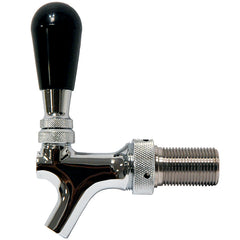
American‑style tap
Short body, high flow capacity and a generous spout. Very representative of the American style and especially associated with fast, direct service.
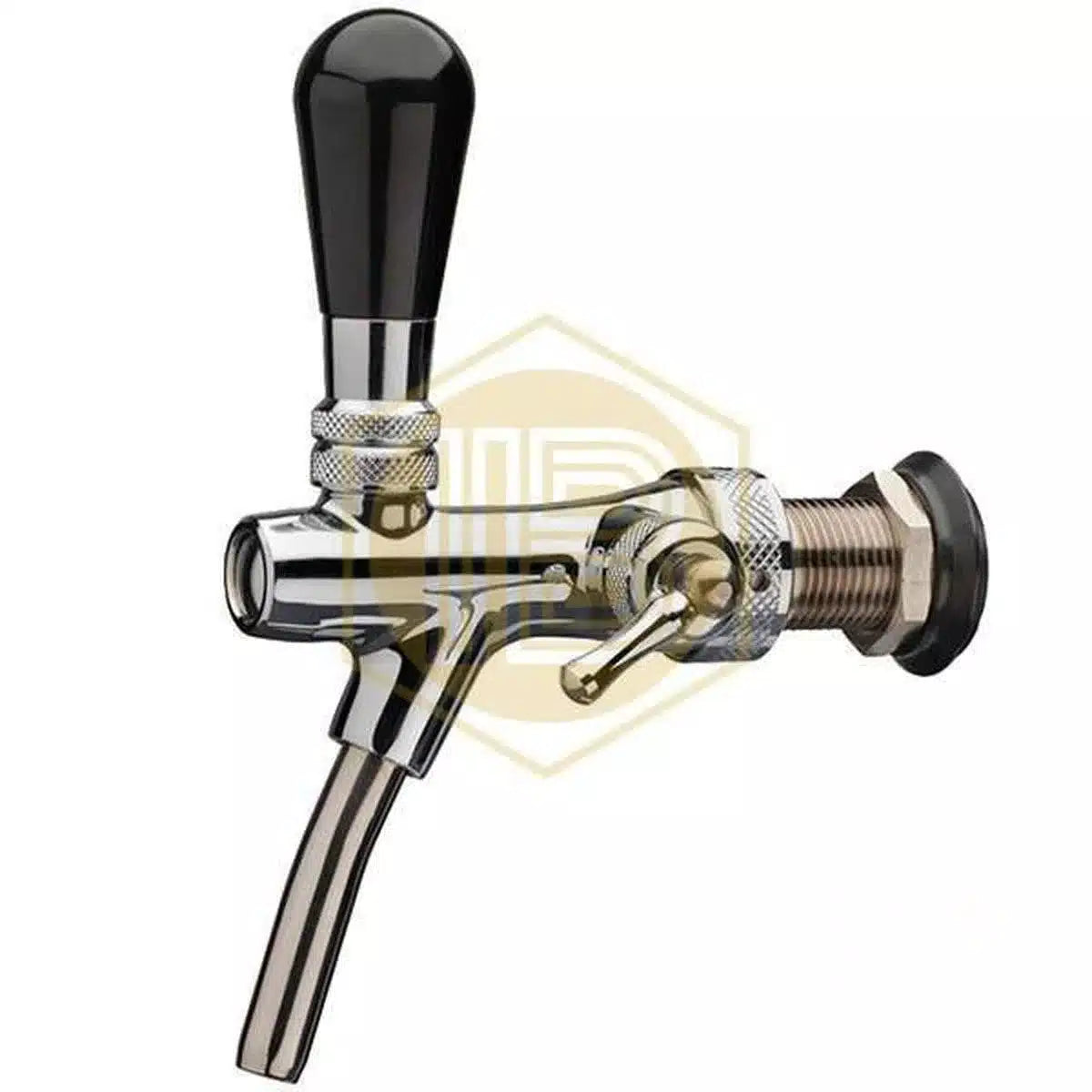
Standard tap
It’s the most widespread reference and one of the most configurable. Very versatile for bars, home use and a wide range of installations.
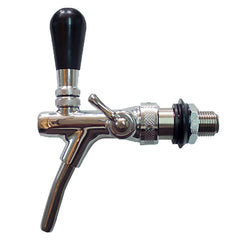
Standard tap without compensator
Direct‑flow variant of the classic tap, interesting when the installation is already very well tuned and simplicity is the goal.

English-style lever tap
Closely linked to cask service and the British pub language. It allows precise handling and can work with a nozzle filter for specific styles.

Side‑cut tap
The ergonomics of operation change when working horizontally. Very useful when aesthetics, height or available space condition the serving motion.

Ball tap
Very interesting when you want very clean flow management and controlled service, with an internal architecture highly valued for its cleanliness and performance.
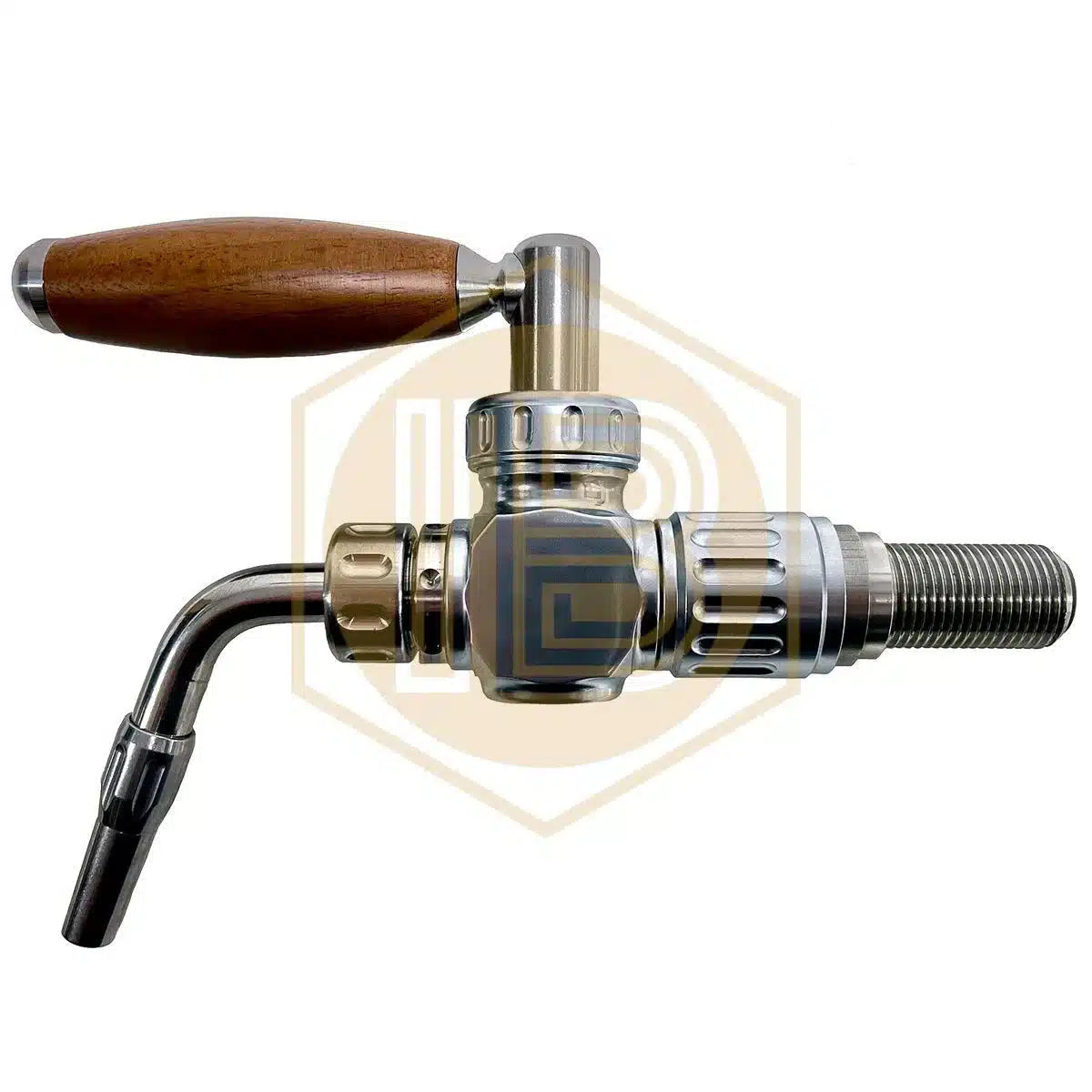
Czech-style tap
A very interesting family for those seeking a different aesthetic and a serving behavior aligned with Czech tradition.
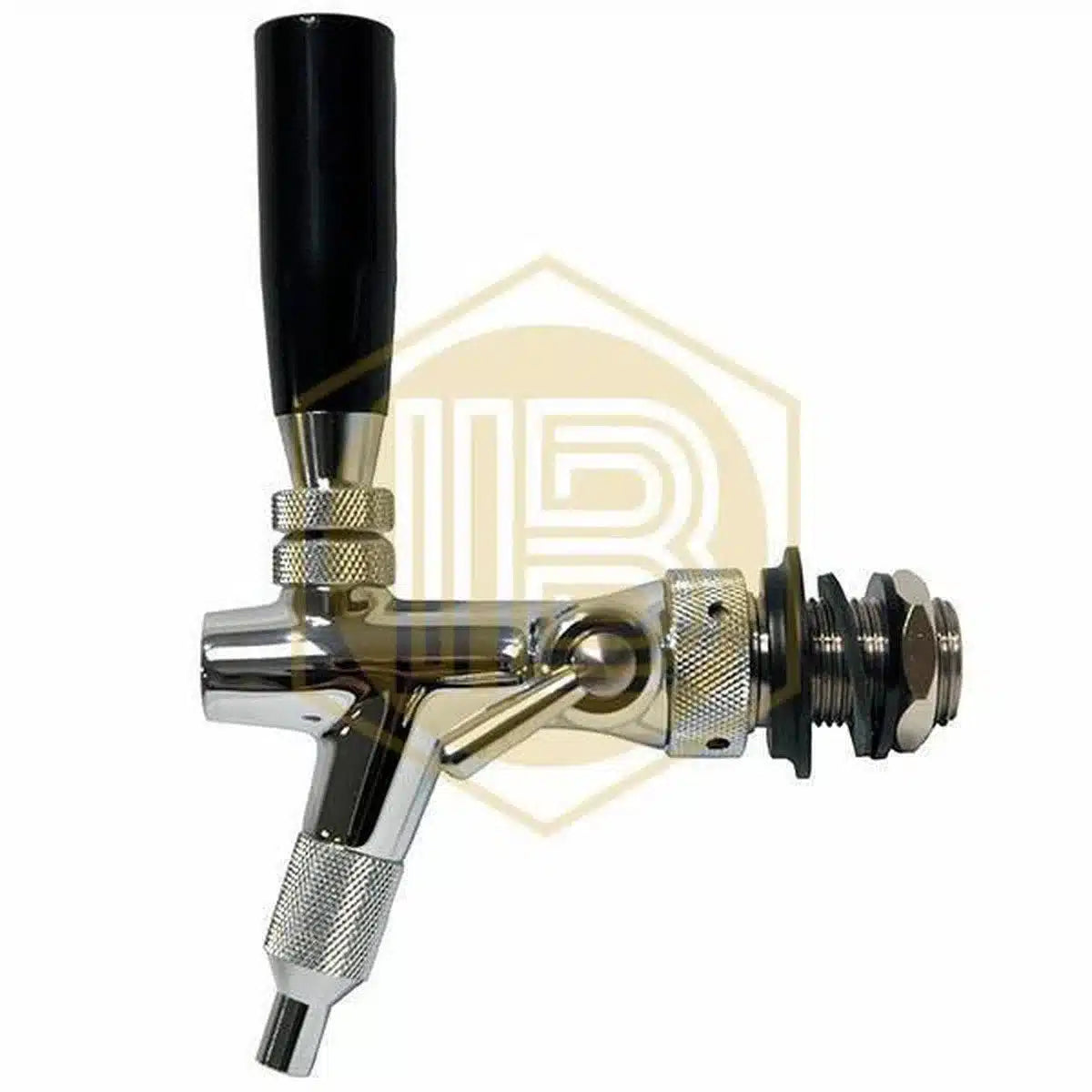
Tap with sparkler filter
Designed for services where you want to work the foam differently, especially for specific serving styles or rituals.
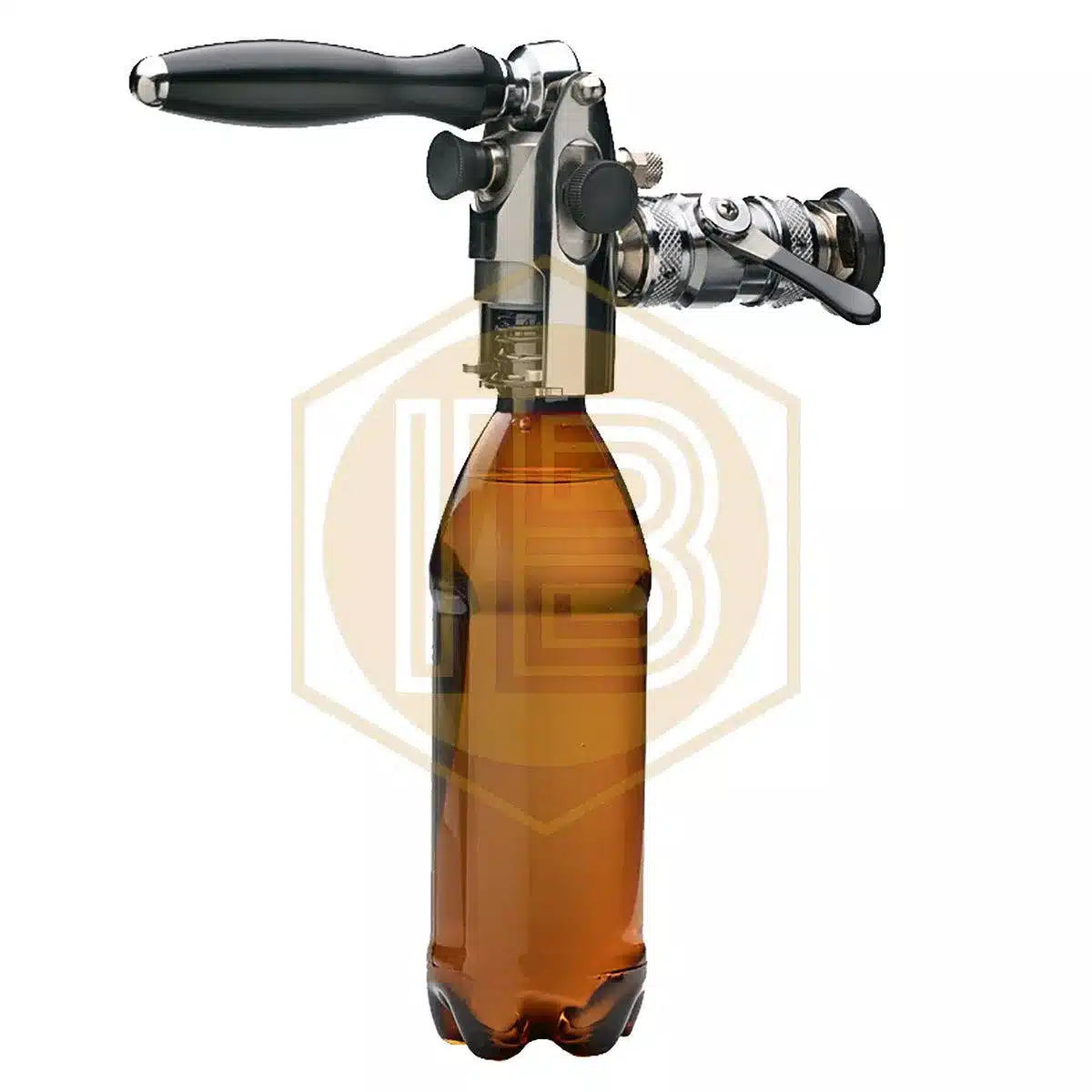
Growler filling tap
Combines dispensing and filling growler‑type bottles. Very useful when the business wants to serve on the spot and also sell to go.
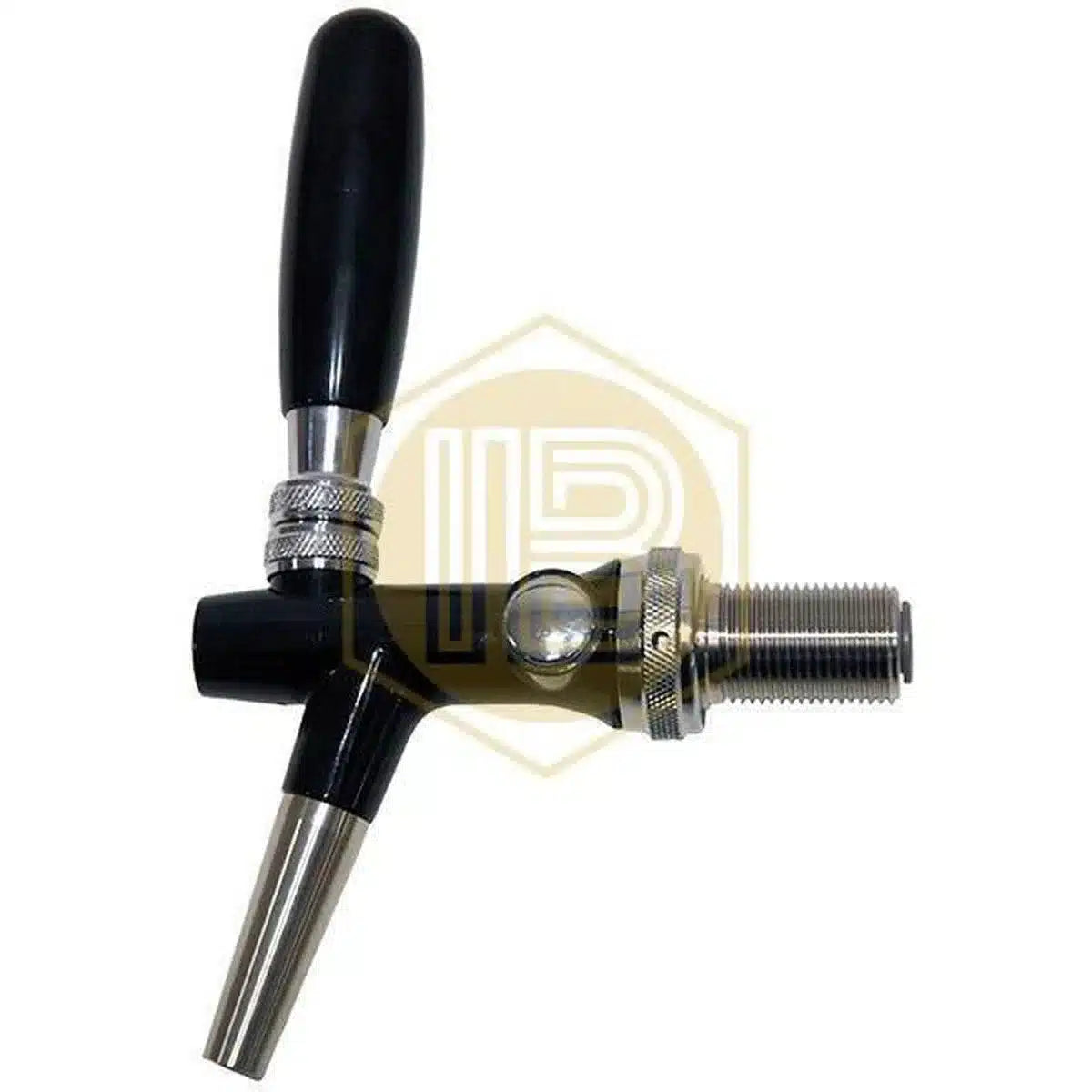
Tap for wine / EVO-K
Very interesting when working with wine on tap or other beverages that require careful validation of materials, hygiene and product compatibility.
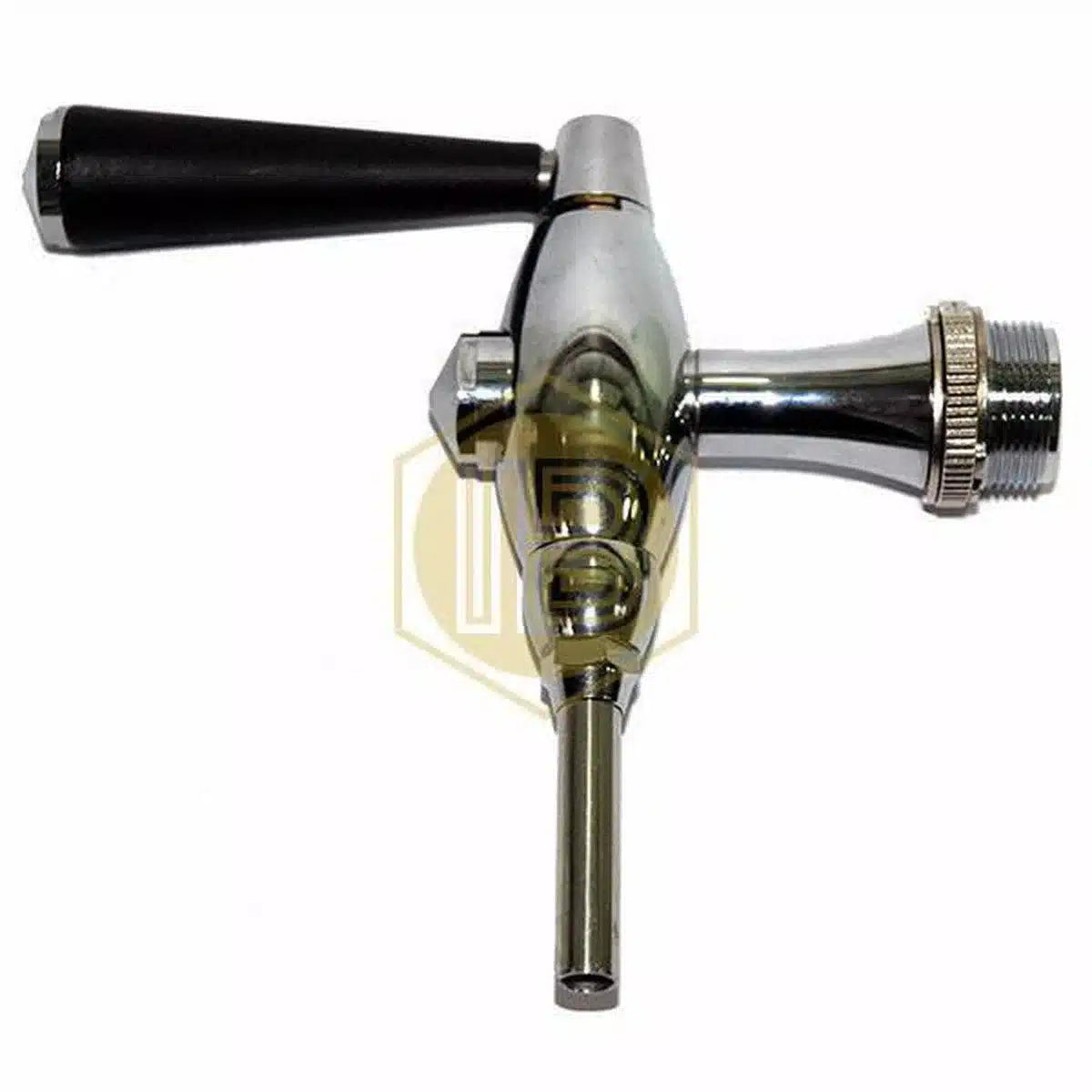
Vimapo tap
One of the clearest side-pull references, very useful for solving bars where horizontal ergonomics make sense.
Current families and very relevant options in the shop
Beyond the classic types, your current collection already lets you show specific families and configurations that are extremely helpful for guiding a real purchase.
Prague
A very good reference for showcasing the Czech style within a current, fully purchasable collection.
View product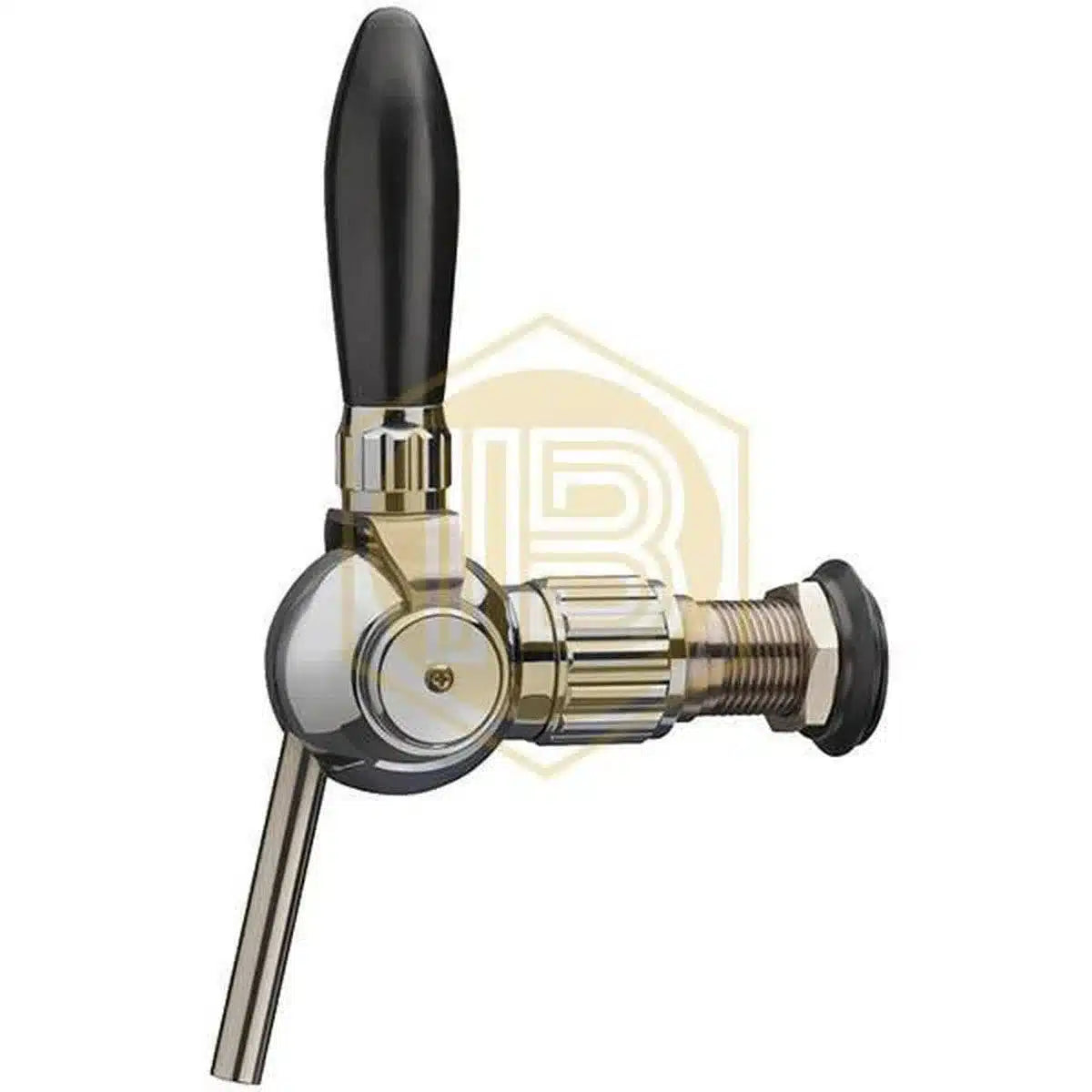
Cosmo
A very interesting family when you’re looking for a modern ball‑type aesthetic and controlled serving.
View product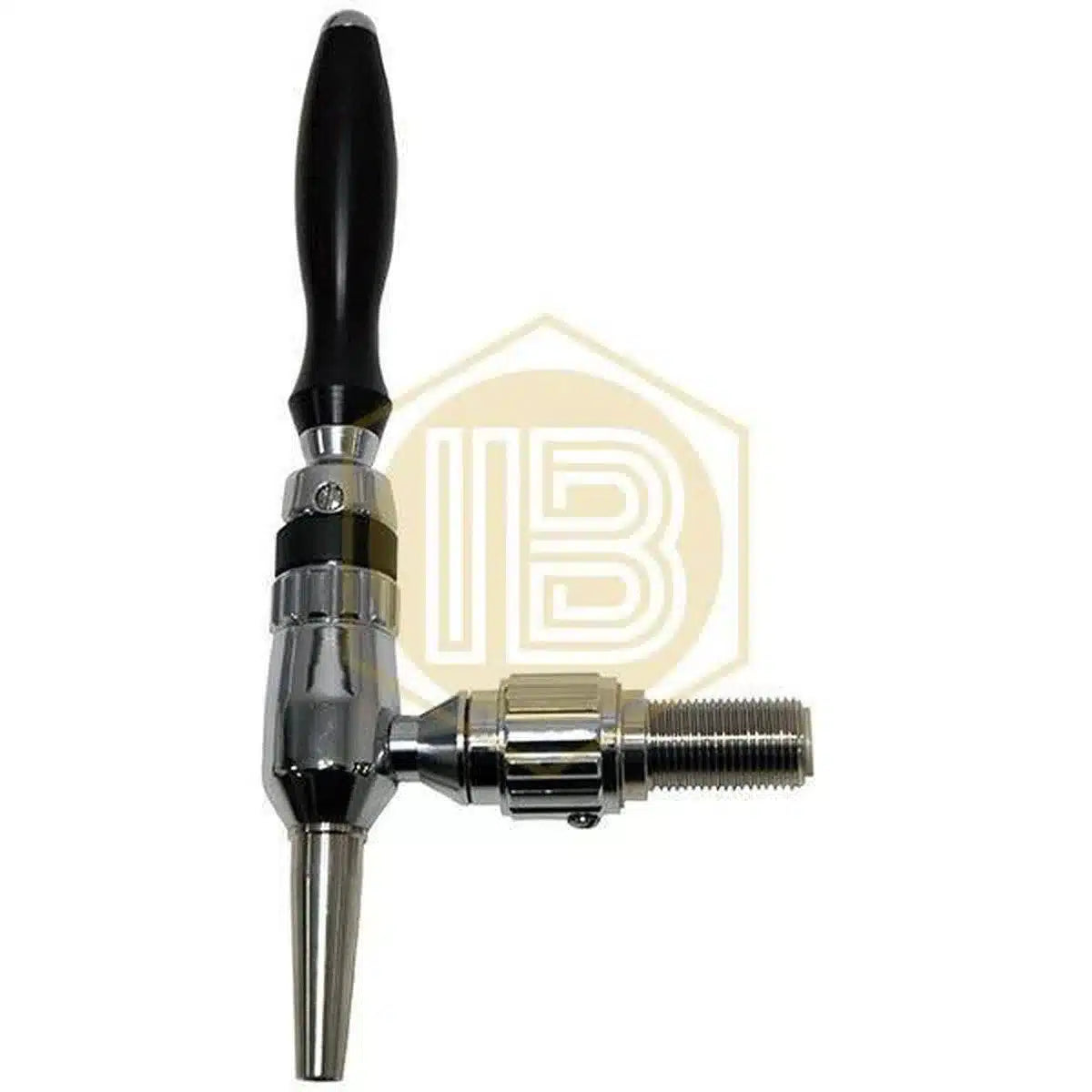
Nordic
Very suitable for projects seeking a more streamlined visual look without stepping outside a professional logic.
View product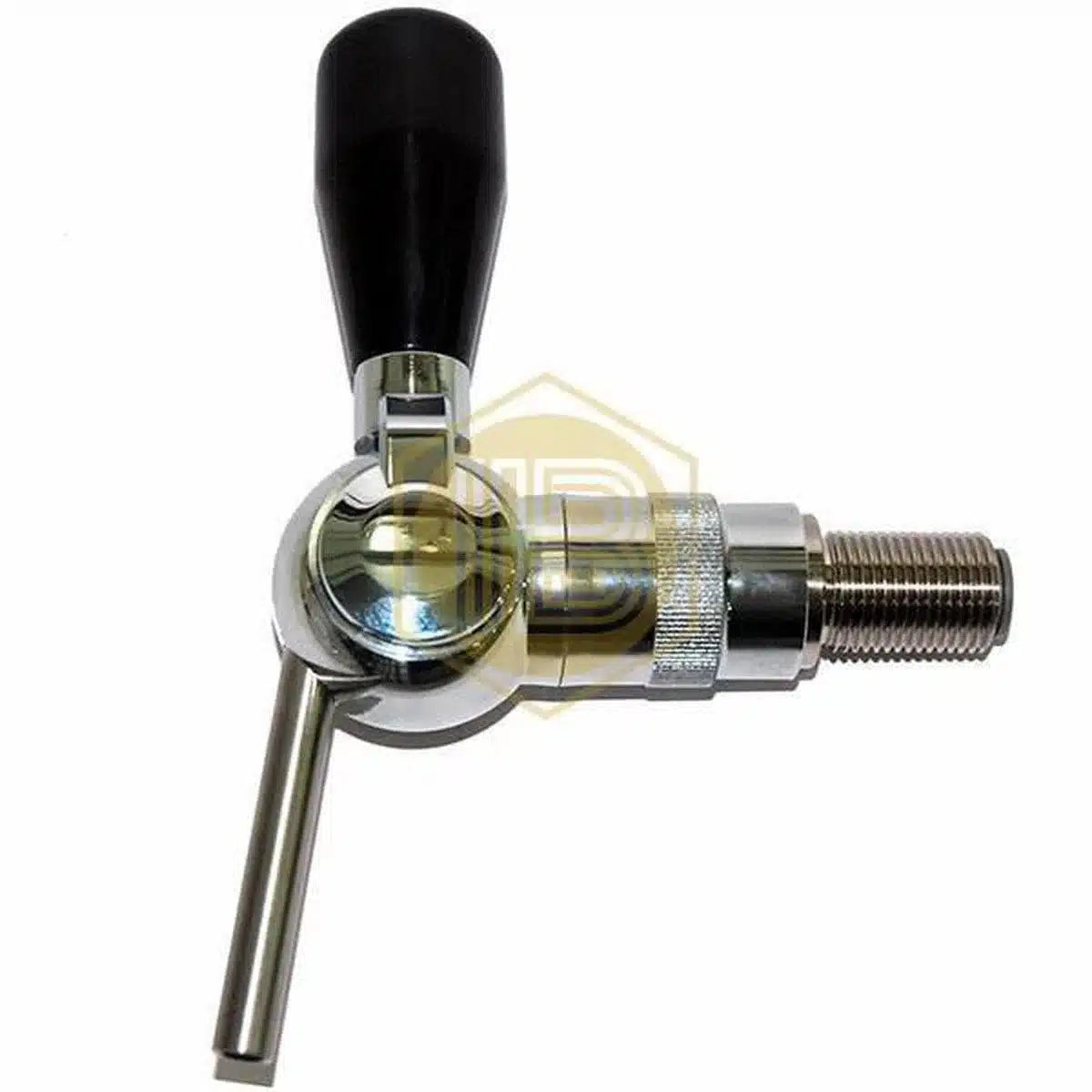
Alpha
A very suitable family when the shank and length start to matter for compatibility with the installation.
View product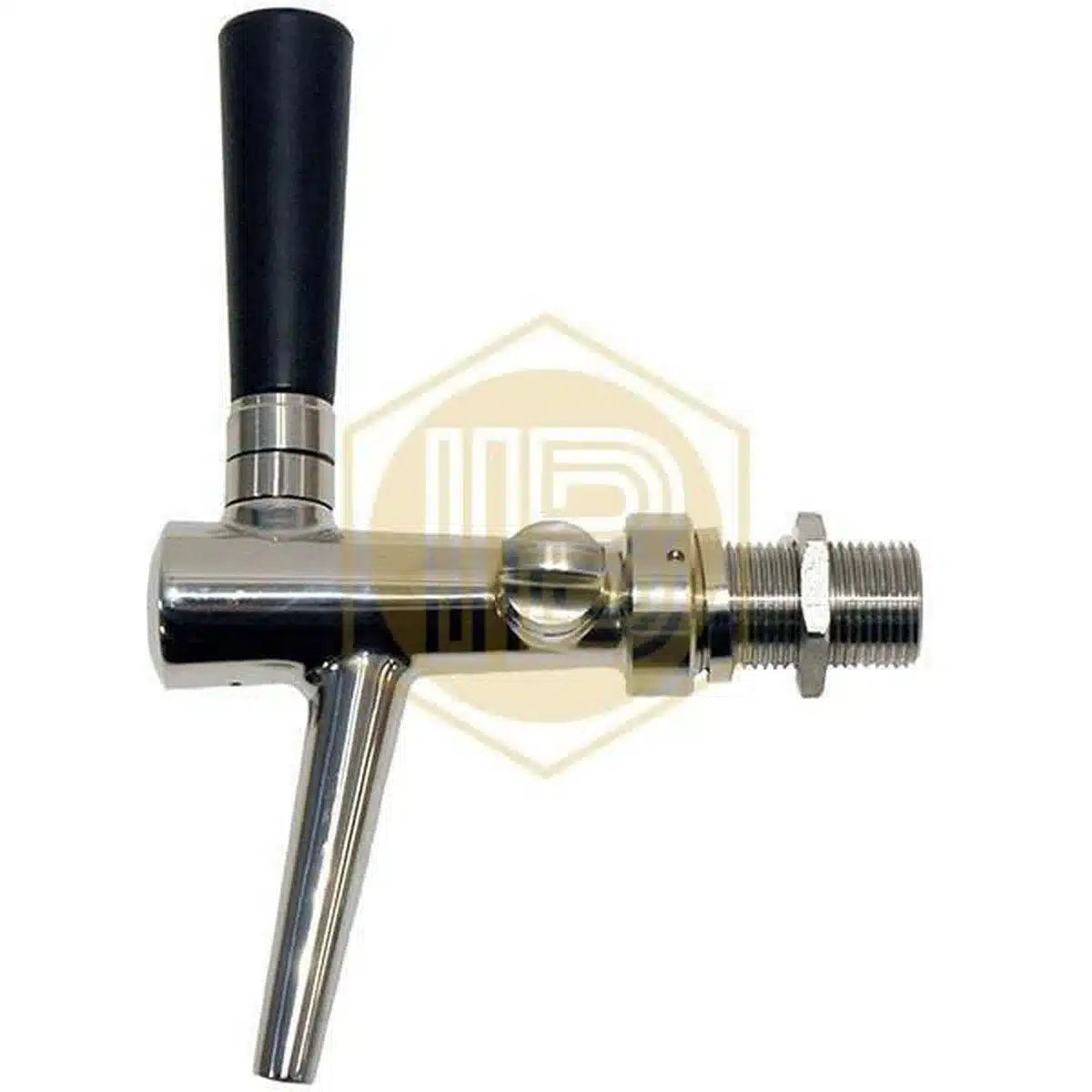
C-Tap with spring
Very interesting when you want a specific return or shut‑off logic within the service workflow.
View product
Chrome standard with compensator
A basic and very useful reference for a multitude of installations, both domestic and professional.
View product
Vimapo
A great benchmark for showing the practical value of the side cut in installations with space or style constraints.
View product
EVO-K
Very useful to explain that not all taps are designed only for beer and that the material is especially important for wine.
View product
Full-Tap
Perfect for businesses that want to dispense into glasses and also fill takeaway containers with a dedicated solution.
View productMaterials, connections, components, shanks, handles and finishes
A tap is not defined only by its silhouette. It also changes significantly inside and in how it connects to the system. This part is critical for technical SEO, for GEO and for reducing purchasing errors.
Materials
There are taps built with metal alloys and internal plating, bodies made entirely of stainless steel, and also options in technical plastics such as ABS or polyethylene for specific uses.
Connections
They can work with flat connection, threaded direct‑flow or integrated quick‑connect, depending on the installation and existing system.
Rear tails
The length and type of shank matter a lot: short for certain towers, long for walls or partitions, and variants with barb or adapter depending on the system.
Handles, colors and finishes
The tap handles are the most customizable part. Colors, glossy or matte finishes and the overall visual impact of the tap on the bar also change.
Stainless steel
INOXIt is the most interesting option when cleanliness, durability and broad compatibility are a priority, especially if the product or use requires a high level of hygiene.
Flat connection
FLDesigned to fit certain columns or systems where the tap is integrated directly without redoing the entire back section of piping.
Quick connector
QRVery useful when the installation already works with quick-connect systems such as John Guest, or when you want to simplify the connections as much as possible.
Long shank
L55It makes sense when the tap has to pass through more material or when the geometry of the installation requires a shank with more useful travel.
Handles
PMThey greatly change the brand image of the tap and allow you to customize the service point according to aesthetics, ergonomics and visibility.
Gloss or matte finish
ACPolished is the most classic finish. Matte usually looks visually less dirty and can work better on heavy‑use bars or in a contemporary aesthetic.
Which tap usually fits best depending on the drink and the use
Beer for daily service
Standard taps or compensator taps usually work especially well when you want stable service that is easy to maintain.
Brewpubs and bars with a strong identity
Here the tap style, the handle, the finish, and the service experience carry a lot of weight: ball, Czech, English, or more distinctive families.
Wine and other beverages
It’s important to carefully validate materials, cleanliness and product compatibility. For wine, full stainless steel is usually especially interesting.
Cask and English service
The English-style lever tap and the variants compatible with sparkler or cask make a lot of sense when the service is aiming for that language.
Events and mobile bars
A simpler configuration may be of interest, quick to assemble and with good compatibility with portable systems or mobile dispensers.
Growlers and take away
Filling growlers requires a specific approach. When the business wants to sell to-go, Full-Tap or similar systems become very valuable.
Which compatibilities to check before buying a tap
Mechanical compatibility
- Tap thread type and mounting.
- Correct shank for tower, wall or partition.
- Connection type: flat, threaded or quick-connect.
- Compatibility with handle, spout and spare parts.
- Usable working space on bar or wall.
System compatibility
- Type of beverage and cleaning requirements.
- Working pressure and temperature.
- Line balance and product behavior.
- Type of keg or associated coupler.
- Gas or technical air depending on the system and the beverage.
| Data | What it defines | Why it matters |
|---|---|---|
| Type of tap | Whether an American, standard, side-pull, ball, English, growler, etc. is suitable. | It changes ergonomics, service style and cleaning |
| Compensator | If the tap can modulate the flow rate | It helps fine-tune service, but it does not replace a properly balanced line |
| Material | Compatibility and hygiene | Especially important for wine and intensive use |
| Rear shank | Actual mounting on tower, wall or partition | Prevents compatibility errors and lack of travel |
| Pressure and temperature | Serving performance | They are key to avoiding foam, blockages or poor pouring |
Common mistakes when choosing a dispensing tap
Planning mistakes
- Choosing only by looks without checking compatibility.
- Assuming that any tap works for any drink.
- Forgetting the tailpiece length and the type of wall or column.
- Not thinking about cleaning and maintenance before buying.
- Buying a growler tap without having a clear idea of the business’s real operation.
Technical errors
- Relying on the compensator to fix an unbalanced installation.
- Not checking serving pressure or temperature.
- Ignoring materials in wine or sensitive beverages.
- Do not validate the type of associated keg coupler or keg.
- Not having periodic cleaning or basic spare parts.
Frequently asked questions about beer and beverage taps
What is the difference between a tap with compensator and one without compensator?
The tap with compensator allows you to fine‑tune the outlet flow more precisely. The direct‑flow tap opens service without that internal adjustment and depends more on the overall balance of the installation.
How do I know if a tap is compatible with my installation?
You must check thread, shank type, tube diameter, connection type, mounting location and the beverage to be served. A photo of the system helps a lot.
Can the same tap be used for industrial and craft beer?
In many cases yes, as long as pressure, temperature, cleaning and line balance are properly resolved. The key is not just the beer’s name, but how the system works.
Can I use one tap for beverages other than beer?
In many cases yes, but it is advisable to validate materials, product compatibility, working pressure and cleaning according to the beverage, especially for wine and other sensitive drinks.
Which tap is best for wine?
It’s usually very important to validate the material, and full stainless steel is especially recommended when you’re looking for greater hygienic safety and product compatibility.
What is a growler tap and when does it make sense?
This is a tap designed both for serving and for filling growler-type containers. It is very valuable when the business wants to combine bar service with takeaway sales.
Why am I getting too much foam?
Usually due to high temperature, incorrect pressure, unbalanced line, air ingress or insufficient cleaning. The tap has an influence, but is rarely the only one responsible.
Do you also handle installation and not just tap sales?
Yes. Install Beer handles sales, consulting, installation, maintenance and technical service, which makes it possible to recommend the right tap within the right system.
Would you like us to define the right tap for your installation together with you?
We can help you decide whether a compensator tap or direct‑flow tap, standard, American, English, side, ball, Czech, growler, sparkler or a specific solution for wine or another beverage is best for you. We also review shank, compatibility, cleaning and real service conditions.