

What IBUs are in beer and how to interpret bitterness
IBUs are one of the most common figures when we talk about craft beer, hoppy styles, bar menus or technical sheets. They indicate the technical bitterness of a beer, but they do not by themselves explain how it will be perceived on the palate. A beer with many IBUs does not always seem more bitter than one with fewer: malt, residual sweetness, body, alcohol, hop variety, freshness, temperature and also how it is stored and served all play a role.

Definition of International Bitterness Units in beer
IBUs, or International Bitterness Units, are a unit that indicates the technical bitterness of beer. They are mainly related to bitter compounds from hops, but they do not always match perceived bitterness. Malt, sweetness, body, alcohol, freshness, temperature, pressure, cleanliness, and pouring all modify the final experience.
Quick answer: what IBU means in beer
IBU stands for International Bitterness Unit. It is a scale that helps express the bitterness level of a beer, especially associated with compounds derived from hops during brewing.
As a general rule, a beer with few IBUs is usually less bitter, and a beer with many IBUs is often associated with more hop-forward styles, such as some IPAs or Double IPAs. However, the number shouldn’t be interpreted in isolation: a 60-IBU beer can feel balanced if it has body and malt, while a 35-IBU beer can feel intense if it’s dry, light, and very aromatic.
Guide contents
What IBUs are in beer
IBUs are a technical reference for talking about bitterness. The original article already explained that IBU stands for International Bitterness Unit and that it is used to measure or compare the bitterness level of beer. This idea is still correct, but it is worth qualifying: IBUs are a guide, they do not replace tasting.
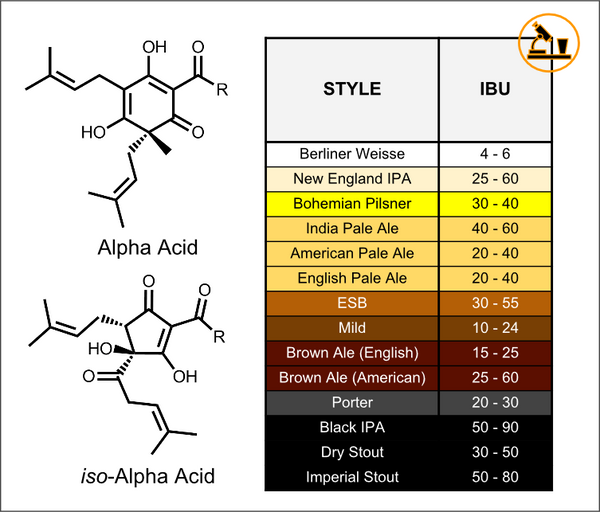
The IBU figure is mainly related to bitter compounds derived from hops. During brewing, especially when boiling the wort, hop alpha acids are transformed into more soluble compounds that contribute bitterness. That’s why hop variety, quantity used, boil time and time of addition influence the final value.
It is the numerical reference associated with the measurable or indicative bitterness of the beer.
This is what the person actually perceives when drinking. It depends on the overall balance of the beer.
Installation, cleaning, pressure and temperature don’t change the IBUs, but they do change the experience in the glass.
How IBUs are calculated
In professional breweries, IBUs can be measured by laboratory analysis. In homebrewing or craft brewing, they can also be estimated with recipe formulas that take into account the hop alpha acid percentage, boil time, volume, wort gravity and utilization efficiency.
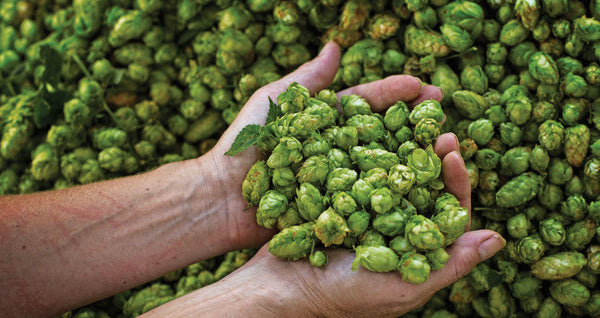
In simplified terms, hop additions at the start of the boil usually contribute more bitterness. Late additions and dry hopping add more aroma and flavour, but they don’t always increase IBU in the same way as a bittering addition during the boil.
Dry hopping does not necessarily mean more bitterness
A beer can smell intensely of hops and not be extremely bitter. Dry hopping adds aroma and flavor, but it doesn’t work the same way as a hop addition during the boil. That’s why there are very aromatic beers with moderate bitterness.
Indicative IBU table: from lower to higher bitterness
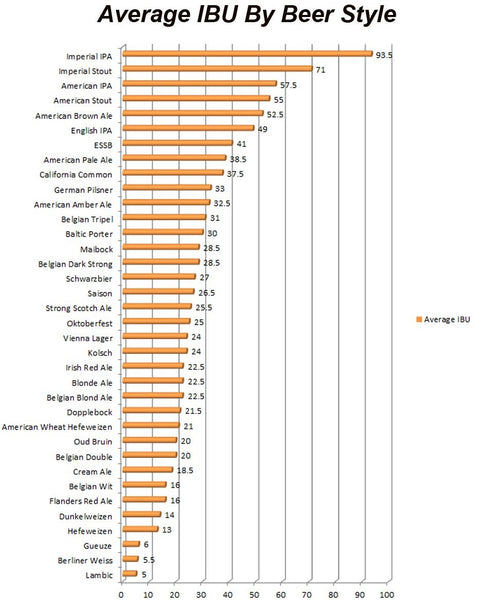
The following table updates and expands on the idea from the original article: IBUs can help guide us, but each style has its own balance. The clean bitterness of a pilsner is not the same as the resinous bitterness of a West Coast IPA or the roasted bitterness of a stout.
| Approximate range | Common perception | Example styles | Practical note |
|---|---|---|---|
| 0–10 IBU | Very low bitterness | Lambic, Berliner Weisse, sour beers or very light beers. | The focus can be on acidity, fruit, grain, or fermentation. |
| 10–20 IBU | Low bitterness | Hefeweizen, Cream Ale, Light Lager, Mild. | Easy-drinking profile with discreet bitterness. |
| 20–35 IBU | Moderate bitterness | Pilsner, Amber Ale, Brown Ale, Mild Porter. | Good balance between malt, hops, body and dry finish. |
| 35–55 IBU | Medium-high bitterness | Pale Ale, ESB, Porter, Dry Stout, some IPAs. | The hops, roast, or bitter finish are already evident. |
| 55–80 IBU | High bitterness | American IPA, West Coast IPA, some Imperial Stouts. | It’s advisable to have a good balance with malt, alcohol or body. |
| 80+ IBU | Very high bitterness | Double IPA, Imperial IPA, extreme beers. | The figure may be high, but how it’s perceived will depend on the overall balance. |
Why a beer with more IBUs doesn’t always taste more bitter
This is one of the keys of the article: IBU is not the same as perceived bitterness. IBU is a technical reference; perception depends on how that bitterness is integrated within the beer.
A beer with lots of malt, body, and residual sweetness can handle more IBUs without seeming aggressive. In contrast, a dry, light, highly attenuated beer can taste more bitter even with fewer IBUs. Alcohol, carbonation, hop variety, and freshness also play a role.
- More malt body.
- Residual sweetness.
- Higher alcohol content.
- Creamy texture.
- Correct temperature.
- Good recipe integration.
- Very dry beer.
- Light body.
- Resinous or very intense hop character.
- Oxidation or loss of freshness.
- Service too warm.
- Dirty or poorly maintained lines.
IBUs by beer style
Beer styles are not defined only by IBUs. Color, strength, body, fermentation, aroma, carbonation, gravity, and the style’s tradition also matter. Even so, knowing approximate ranges helps explain a beer better to the customer or choose what to drink.
| Style | Indicative IBU range | How it is usually perceived | Serving tip |
|---|---|---|---|
| Light lager | 5–20 | Smooth, clean, refreshing and low in bitterness. | Serve cold, with a clean line and stable carbonation. |
| Pilsner | 25–45 | More defined, dry and elegant bitterness. | Control pressure and temperature to avoid excessive foam. |
| Hefeweizen / Wheat | 10–20 | Low bitterness, more presence of wheat, yeast, and texture. | Use the right glass and careful pouring to preserve foam. |
| Pale Ale | 25–45 | Noticeable hop character, usually balanced. | Avoid oxidation and preserve it well if it’s very aromatic. |
| IPA | 40–70 | Pronounced hop bitterness and aroma. | Very sensitive to freshness, oxygen, temperature and cleaning. |
| Double IPA | 60–100+ | High hop intensity, alcohol and body. | Correct pressure and temperature to avoid a harsh sensation. |
| Stout / Porter | 20–60 | Bitterness combined with roasted notes, coffee, cocoa, or dark malt. | For nitro stout, check gas, stout tap, and temperature. |
| Sour and lambic beers | 0–15 | Acidity dominates more than bitterness. | Check materials, lines and cleaning if they are served on tap. |
Do you serve IPA, Pale Ale, Pilsner or craft beer on tap?
Hoppy beers are sensitive to freshness, temperature, oxygen, pressure, cleanliness and dispense quality. At Install Beer we can help you with taps, couplers, lines, gas, cooling and maintenance so you can serve each style in the best possible condition.
View beer dispensers Request installation or inspectionHow serving on tap affects the perception of bitterness
The dispense system does not change the actual IBU figure, but it can modify the drinking experience. Temperature, pressure, gas, line, tap, glass, cleaning and keg rotation all influence how aroma, bitterness, freshness, carbonation and balance are perceived.
A fresh, well-served IPA can show clean aromas, balanced bitterness, and a pleasant finish. That same beer, served too warm, at the wrong pressure, or from dirty lines, can seem harsher, dull, oxidized, or unbalanced.
Temperature
If beer is served too warm, the alcohol, bitterness and flaws can be perceived more intensely.
Pressure
Incorrect pressure can cause foam, loss of carbonation, or an overly aggressive pour.
Cleaning
Dirty lines alter flavor, aroma, and perception of bitterness, especially in aromatic styles.
Oxygen
Oxidation is especially harmful to hoppy beers, muting aromas and creating off-flavors.
Tips for bars, restaurants, and breweries
In hospitality, IBUs can help you organize a beer list and explain each style better to the customer. But the customer doesn’t drink a number; they drink an experience. That’s why the quality of the tap installation is essential.
| Position on the bar | Risk | Install Beer recommendation |
|---|---|---|
| Very hoppy beers | Rapid loss of aroma and freshness. | Fast rotation, stable cold, clean lines, and well-managed kegs. |
| Several IPAs on the menu | The customer may confuse IBU with quality or overall intensity. | Explain style, aroma, body, alcohol, and perceived bitterness. |
| Excessive foam | Waste, poor service and negative perception. | Check pressure, temperature, tap, compensator, and line balance. |
| Lines without regular cleaning | Off-flavors, unpleasant bitterness and risk of contamination. | Apply scheduled cleaning of lines, taps and couplers. |
| Slow-moving beer | Loss of freshness, oxidation, and aromatic degradation. | Adjust number of lines, keg format, and menu according to actual consumption. |
A beer with good IBUs also needs a good pour
The recipe may be perfectly designed, but if the tap is dirty, the line is not balanced, the keg is warm or the pressure is wrong, the customer will not experience the beer as they should.
Improve beer service at your venue
If you want to serve hoppy beers, IPAs, lagers, stouts or craft beer on tap better, check your setup: taps, couplers, regulators, tubing, cooling and cleaning. A good installation reduces waste and improves the customer experience.
View beer taps View cleaning and maintenanceIBUs for homebrewing and home production
For homebrewers, IBUs are a useful tool for designing recipes. They allow you to adjust the amount of bittering hops, compare styles and balance the malt with the hop profile. But it’s not worth obsessing over the number: a balanced recipe needs aroma, body, clean fermentation, carbonation and proper service.
If you brew beer at home and serve it from a Cornelius, keg or tap, you also need to think about pressure, CO₂, tubing, temperature and cleaning. A good recipe can lose quality if it’s dispensed poorly.
- Define the target style.
- Calculate IBUs according to hop and boil time.
- It balances malt, body, alcohol, and sweetness.
- Don’t confuse hop aroma with bitterness.
- Use suitable Cornelius connectors.
- Adjust CO₂ pressure.
- Control chilling and carbonation.
- Clean tap, line and keg.
Common mistakes when interpreting IBUs
| Error | Why it’s a problem | How to interpret it better |
|---|---|---|
| Thinking that more IBU means better beer | Quality depends on balance, not just bitterness. | Evaluate style, freshness, aroma, body, malt, and service. |
| Comparing different styles using only IBUs | An IPA, a stout, and a pilsner can feel very different. | Compare within the same style or context. |
| Believing that an 80 IBU beer will always be aggressive | It may be balanced by malt, alcohol or residual sweetness. | Taste and assess the actual balance in the mouth. |
| Confusing hop aroma with bitterness | A very aromatic beer is not always very bitter. | Distinguish dry hopping, aroma, flavor, and bitterness. |
| Not considering freshness and storage | Hoppy beers lose quality with oxygen, heat, and time. | Control cold, rotation, date, and service on tap. |
| Ignoring the draft installation | A dirty or poorly adjusted line changes the final experience. | Check cleanliness, pressure, tap, and temperature. |
What to buy or check if you want to serve draft beer better
An article about IBUs shouldn’t stay purely theoretical. If you run a bar, brewery taproom, event, kegerator, or home setup, the real perception of bitterness and aroma depends on how the beer reaches the glass.
| Need | Recommended product or service | Internal link |
|---|---|---|
| Serving beer on tap | Dispenser, tower, or complete draft beer system. | Beer dispensers |
| Control flow and foam | Tap with compensator or tap suited to the style. | Beer and beverage taps |
| Connect the keg correctly | Coupler compatible with the keg valve. | Keg couplers |
| Adjust pressure | CO₂, blend or nitrogen regulator depending on the beer. | Gas and air for dispensing |
| Avoid off-flavours | Line, tap, coupler and connector cleaning. | Cleaning and maintenance |
| Set up a professional installation | System design with cooling, gas, lines, taps and maintenance. | Dispenser installation |
Checklist for serving hoppy beers better
- Buy kegs with good turnover and appropriate dates.
- Avoid heat and unnecessary exposure to oxygen.
- Maintain a stable serving temperature.
- Adjust CO₂ pressure or blend according to style and system.
- Use a suitable, clean tap.
- Clean lines, couplers, and connectors on a scheduled basis.
- Avoid too many lines if there isn’t enough turnover.
- Explain to the customer the difference between IBUs, aroma, body and perceived bitterness.
Do you want to improve your beer system?
At Install Beer we can help you choose dispenser, tap, coupler, tubing, regulator, cleaning and cooling system to serve better craft beer, IPA, lager, stout and other drinks on tap.
Consult Install Beer See dispensing systemsFrequently asked questions about IBUs in beer
What does IBU mean in beer?
IBU stands for International Bitterness Unit. It is a scale that indicates the technical bitterness of a beer, mainly related to hop‑derived compounds.
Does more IBUs mean more bitterness?
In general, a higher figure indicates greater technical bitterness, but it doesn’t always mean the beer will taste more bitter. Malt, sweetness, body, alcohol, freshness, temperature, and serving all modify the final perception.
How many IBUs does an IPA have?
Many IPAs sit roughly between 40 and 70 IBUs, although it depends on the specific style. A Session IPA, a NEIPA, a West Coast IPA, and a Double IPA can have very different profiles.
Is a beer with 100 IBUs always very bitter?
Not necessarily. It may seem very bitter, but if it has a lot of body, malt, alcohol or residual sweetness, the bitterness can be perceived as more balanced. Also, above certain levels, human perception does not always clearly distinguish the number.
Does dry hopping increase IBUs?
Dry hopping mainly adds hop aroma and flavor. It can influence overall perception, but it doesn’t work the same as a hop addition during the boil to provide bitterness.
Which styles have low IBUs?
Styles such as Berliner Weisse, Lambic, Hefeweizen, some light Lagers, or mild beers usually have low IBU ranges, although it always depends on the recipe.
Which styles have high IBUs?
American IPA, West Coast IPA, Double IPA, Imperial IPA, and some Imperial Stouts usually have high IBU ranges, although the final perception depends on the beer’s balance.
Does the tap installation affect bitterness?
It doesn’t change the beer’s IBUs, but it can affect perception. Incorrect temperature, dirty lines, poorly adjusted pressure, or poor storage can make the beer seem harsher, flat, or unbalanced.
What’s the best way to serve an IPA on tap?
An IPA should be served with good turnover, stable cold temperature, adjusted pressure, clean lines, and as little contact with oxygen as possible. The goal is to preserve aroma, freshness, and balance.
Can Install Beer help me improve my beer service?
Yes. Install Beer can help you with dispensers, taps, couplers, regulators, tubing, cleaning, maintenance and complete installations to serve beer and other beverages on tap.
Technical note: IBUs are a useful reference, but they do not replace tasting or proper beer service. To get the best experience in the glass, you must take care of recipe, freshness, storage, temperature, pressure, cleaning, and pouring technique.