

Where cider comes from: history, origin, production, and service on tap
Cider is a fermented drink made from apple must. Its history is tied to apple‑growing regions, northern Spain, the European Atlantic and a very distinctive drinking culture in Asturias, the Basque Country, Normandy, Brittany, England, Ireland and Germany. Today cider is not only enjoyed in bottles or poured from height: it can also be served on tap in bars, cider houses, restaurants, hotels and events.
Quick overview
Cider comes from the fermentation of apple must. Although its exact origin is hard to pinpoint, its historical development is closely linked to northern Spain and European regions with a strong apple-growing tradition. In Asturias and the Basque Country, cider has its own cultural identity; in France, Normandy and Brittany stand out; in the United Kingdom, Somerset, Herefordshire and Devon are important; and in Germany, the Apfelwein tradition is especially concentrated around Frankfurt. Today cider can be served in bottles, poured from height, in kegs, Bag-in-Box or on tap.
Cider is not just a drink: it is culture, place, and technique
Cider combines agriculture, apple selection, fermentation, local tradition and serving style. That’s why it should not be understood only as an alcoholic apple drink. An Asturian natural cider, a Basque cider, an English cider, a French cidre or a German Apfelwein may share a fruit‑based origin, but they have different sensory profiles, methods, carbonation, acidity, tannin and drinking rituals.
Guide contents
What cider is
Cider is a fermented beverage obtained from apple must. During fermentation, yeasts transform the apple’s natural sugars into alcohol, carbon dioxide, and aromatic compounds. The result can be dry, sweet, acidic, tannic, sparkling, still, filtered, hazy, quiet, or bubbly, depending on the type of apple, the process, and each region’s tradition.
Cider should not be confused with an apple soft drink or a carbonated juice. It is a fermented beverage, with its own culture and a huge diversity of styles. Some ciders are poured from height and drunk in small amounts; others are served like a sparkling wine; others work very well on draught or on tap; and others are geared toward cocktails, events, or gastronomic use.
Cider apples, usually blending acidic, sweet, bitter or tannic varieties.
Fermentation of apple must until a stable alcoholic beverage is obtained.
It can be dry, acidic, tannic, fruity, sparkling, natural, sweet, or complex.
Historical origin of cider
The exact origin of cider is uncertain because fruit fermentation is very ancient. Wherever there were apples, surplus harvests and suitable conditions, it was logical for fermented drinks to appear. That’s why antecedents have been proposed in ancient civilisations and in different parts of Europe.
In the Iberian Peninsula, cider tradition is especially linked to the north. The original article already mentioned historical references such as Pliny the Elder, the will of Ego Fakilo from the year 793 and the Capitulare de Villis, related to the organisation of the Carolingian Empire. Beyond the exact debate about the first document, the important thing is that cider is part of a long-standing agricultural and gastronomic culture.
A drink with ancient origins but constant evolution
Cider was not born as a modern industrial product. It began as a way to make use of apples, preserve agricultural value, and create a fermented drink tied to the land. Today, traditional natural cider, sparkling cider, modern cider, ice cider, filtered cider, draft cider, and options for tap or cocktails all coexist.
Cider in Europe: Spain, France, the United Kingdom and Germany
Cider developed strongly in European regions where apples were agriculturally important and where the climate favored their cultivation. That’s why we find different traditions in northern Spain, the French Atlantic coast, the United Kingdom, Ireland and Germany.
| Area | Common name | Cultural profile | Common traits |
|---|---|---|---|
| Asturias | Traditional cider, sparkling cider, PDO cider | Cider houses, presses, traditional pouring, social and gastronomic consumption. | Dry, acidic, fresh cider, traditionally unfiltered and served in small pours (culín). |
| Basque Country | Sagardoa | Sagardotegi, cider‑house season, txotx and traditional cuisine. | Dry, acidic, food‑friendly cider designed to pair with a cider‑house menu. |
| Normandy and Brittany | Cidre | Atlantic French tradition with tannic apples and different sweetness levels. | It can be brut, doux, demi-sec or sparkling depending on how it’s made. |
| United Kingdom | Cider | Strong tradition in Somerset, Herefordshire, Devon and other producing regions. | Great diversity: dry, sweet, tannic, sparkling, on tap or traditional. |
| Germany | Apfelwein | Strongly associated with Frankfurt and Hesse. | Dry, acidic and refreshing profile, with its own serving style. |
| Ireland and other countries | Cider | Modern tradition and consumption in pubs, bottle, can or tap. | Wide range of commercial and craft ciders. |
Cider in Spain
In Spain, cider is especially linked to the northern coastal strip. Asturias and the Basque Country are the regions with the greatest cultural recognition, although there are also production areas and traditions in other northern regions. In Asturias, cider is gastronomy, ritual, regional identity, tourism, celebration and an agri‑food product.
Traditional Spanish cider is often associated with a dry, acidic, refreshing drink for social occasions. The escanciado pour, the culín, the cider house, the llagar, and the choice of cider apples are all part of an experience that goes far beyond the liquid itself.

Asturias and cider culture
Asturias is one of the world’s great cider benchmarks. Its cider culture brings together apples, orchards, presses, cider houses, pouring technique, gastronomy, festivities and social life. Serving in small “culines”, the way the bottle is shared and the traditional pour are all part of a very distinctive ritual.
Apple varieties are fundamental. In traditional Asturian cider they don’t look for a sweet, uniform table apple, but a blend of cider varieties that provide acidity, sugar, tannin, body, and structure. This combination is what allows you to build balance, freshness, and personality.
| Item | Importance in Asturian cider | Impact on the result |
|---|---|---|
| Tart apple | It adds freshness and liveliness. | A livelier, cleaner, more gastronomic cider. |
| Sweet apple | Provides fermentable sugars. | Alcohol base and balance. |
| Bitter or tannic apple | Provides structure and body. | Greater persistence and mouthfeel. |
| Fermentation | It turns must into cider. | It defines alcohol, acidity, aromas and stability. |
| Traditional cider pouring | Aerates and awakens natural cider. | Provides immediate freshness and brief effervescence. |
How cider is made
Production can vary depending on tradition, technology, and cider style, but the basic process follows a common logic: select apples, crush, press, ferment, mature, and package. In traditional natural ciders, fermentation and maturation define much of the final character.
1. Apple selection
Apple varieties with different profiles are combined: acidic, sweet, bitter, tannic, or aromatic.
2. Lautering and mashing
The apples are washed and crushed to break up the pulp and prepare for pressing.
3. Pressing
The apple must is extracted, separating the juice from the solid part or pomace.
4. Fermentation
Yeasts transform sugars into alcohol and other aromatic compounds.
5. Maturation and transfers
The cider stabilizes, clears of sediment and develops sensory balance.
6. Packaging or dispensing
It can be bottled, stored in barrel, keg, cask, Bag-in-Box or prepared for tap service.

Types of cider
There is no single cider. Today’s market brings together traditional, sparkling, filtered, sweet, dry, flavored, ice, keg, or modern-consumption ciders. For hospitality, it’s important to distinguish the type of cider before deciding how to serve it.
| Type of cider | Profile | Usual service | Tap compatibility |
|---|---|---|---|
| Traditional natural cider | Dry, tart, fresh, lightly filtered or unfiltered. | Poured from height, in a culín, for immediate consumption. | It requires very careful study of oxygenation, pressure, sediment, and experience. |
| Sparkling natural cider | More oriented towards glass service, celebration and stable bubbles. | Flute-style glass for sparkling wine or gastronomic service. | It may require CO₂ control, cooling, and a compatible tap. |
| Filtered or table cider | Cleaner visually, stable and easy to serve. | Glass, tumbler or bottle service. | A good candidate for tap if the supplier allows it. |
| Modern cider | It can be sweet, dry, flavored, fruity or sparkling. | Bottle, can, keg, or tap. | Highly compatible with tap service in hospitality, pubs and events. |
| Ice cider | Sweet, concentrated, higher in alcohol and with a gastronomic focus. | Small glass, desserts, cheeses, or pairing. | It’s usually not the main option for continuous tap service. |
| Cider for cocktails | Base for spritz, cocktails, apple sangria, or mixed drinks. | Cocktail, tap, premix, or hybrid system. | Interesting for events and high-volume bars. |
Not all cider should be served the same way
A traditional natural cider may require pouring from height and immediate consumption, whereas a modern keg cider may be designed for tap and continuous service. Before setting up a system, you must confirm cider type, carbonation, sediment, gas, temperature, container and the producer’s recommendation.
How cider is served
The traditional service of Asturian natural cider is based on escanciado: pouring the cider from a height so that it hits the glass, aerates, and releases aromas and carbonation immediately. That’s why it’s drunk in small quantities, the famous culín, and not left sitting in the glass.
However, not all cider is served escanciada. Sparkling ciders can be served in a wine glass; modern ciders can be served cold on tap; some filtered ciders are served like white wine or a gastronomic drink; and event ciders can work very well in kegs, barrels, or Bag-in-Box if they’re designed for that format.
| Serving style | When it is used | Objective |
|---|---|---|
| Traditional pouring | Traditional Asturian cider. | Wake up the cider, oxygenate it and create immediate effervescence. |
| Glass of sparkling wine | Sparkling or brut cider. | Preserve carbonation and an elegant presentation. |
| Cider glass | Natural cider or informal service. | Make it easier to pour escanciado-style, serve culines, and encourage quick consumption. |
| Tap or tower | Modern cider, filtered cider, draft cider or events. | Serve fast, cold and with product control. |
| Cocktail or mixed | Cider spritz, apple‑based drinks, or fermented bases. | Create high-volume recipes with fast service. |
Cider on tap: tradition and modern service
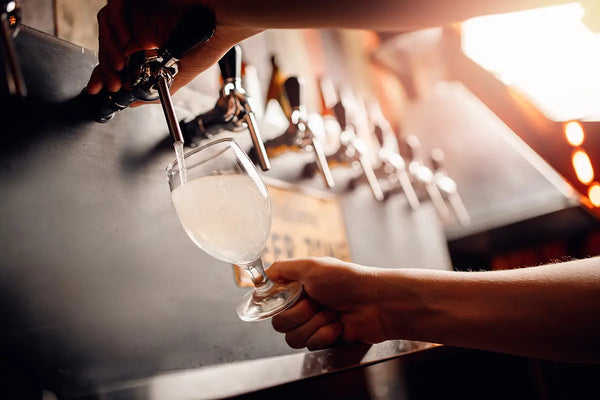
Cider served on tap does not necessarily replace traditional pouring; it can be another serving method for certain types of cider. In bars, pubs, restaurants, modern cider houses, hotels, and events, the tap allows you to serve cider cold, quickly, and with less bottle handling.
The key is to adapt the system to the product. A cider with sediment, marked acidity or natural carbonation may require a different installation than a filtered, carbonated cider. You also need to decide whether the cider will be served from keg, KeyKeg, Bag‑in‑Box, Cornelius or tank.
Do you want to serve cider on tap?
We can help you determine whether your cider is better suited to keg, Bag-in-Box, a gas-driven system, pump, chilling, a specific tap, or a mobile solution for events.
See cider dispensers Request adviceApplications in hospitality, cider houses and events
Cider on tap can be very interesting for venues that want to expand their range of fermented drinks, reduce bottles, offer an alternative to beer and wine, or set up a high‑volume bar at events. It works especially well when the product is designed for that format and the system is engineered with technical criteria.
| Type of business | Typical need | Possible configuration | Objective |
|---|---|---|---|
| Traditional cider house | Maintain the ritual, but improve operations in certain services. | Traditional pouring + filtered cider line or dedicated cider tap. | Combining culture and efficiency. |
| Bar or pub | Offer an alternative to beer, wine or vermouth. | Draft cider or keg cider with cooling, gas and a suitable tap. | Expand the menu and attract new consumers. |
| Restaurant | Pairing with cheeses, meats, fish, Asturian or Basque cuisine. | Cider by the glass, bottle, or tap depending on rotation. | Create a distinctive gastronomic experience. |
| Hotel or buffet | Stable service for events, banquets or beverage stations. | Multi-beverage system with cider, wine, water, beer, or cocktails. | Control service and reduce bottle logistics. |
| Event or festival | Many drinks in a short time and quick setup. | Portable dispenser, keg or Bag-in-Box, cooling, gas, and prior testing. | Speed, less waste and fewer issues. |
| Cider producer | Enter the horeca channel with an on-tap format. | Validation of packaging, shelf life, gas, pressure, cleaning and operating manual. | Open up the market without losing the product’s identity. |
What to check to set up cider on tap
Before setting up a cider-on-tap system, you need to study the product, not just the equipment. Cider can have acidity, sediment, residual sugar, natural or added carbonation, oxygen sensitivity, and a very specific service identity.
| Need | Recommended product or service | Internal link |
|---|---|---|
| Serve cold cider on tap | Dispenser, cooler, undercounter system or portable unit. | Cider dispensers |
| Set up a visible point on the bar | Tap, tower, drip tray, handle, and service support. | Drink taps |
| Pump cider from a barrel or keg | Gas, regulator, pressure gauge, coupler or compatible system. | Gas and regulators |
| Connect beverage line | Food-grade tubing, fittings, quick-connects and check valves. | Dispensing tubes |
| Prevent leaks and air ingress | Compatible fittings, gaskets, adapters, and connectors. | Connectors and fittings |
| Maintain flavor and hygiene | Cleaning keg, detergents, adapters and regular cleaning. | Cleaning and maintenance |
| Design a professional solution | Technical study, supply, installation, commissioning and training. | On-tap beverage systems |
Checklist before dispensing cider on tap
- Confirm whether the cider is designed for bottle, traditional pouring, keg, or Bag-in-Box.
- Define whether it’s natural cider, filtered, sparkling, modern cider or cocktail base.
- Check carbonation, sediment, acidity, residual sugar, and stability.
- Define serving temperature and required cooling capacity.
- Choose a gas, pump, or driving system compatible with the product.
- Avoid unwanted oxygenation if the format does not require it.
- Use food-grade line and connectors compatible with acidic beverages.
- Plan for cleaning of the line, tap, fittings, drip tray, and coupler.
- Train the team on changing containers, purging, and service.
- Do a test pour before opening to the public or setting up an event.
Design your draught cider system with technical criteria
At Install Beer we can assess the type of cider, format, temperature, gas, tap, line, cleaning, installation, and maintenance for bars, restaurants, cider houses, hotels, caterers, and events.
See cider solutions Request project consultationFrequently asked questions about the origin and service of cider
Where does cider come from?
Cider comes from the fermentation of apple must. Its exact origin is ancient and uncertain, but its historical development is closely linked to northern Spain and to European regions with an apple-growing tradition, such as Asturias, the Basque Country, Normandy, Brittany, the United Kingdom, Ireland, and Germany.
What is cider?
Cider is a fermented drink made from apple must. It can be dry, sweet, sour, tannic, still, filtered, sparkling, still, or designed for bottle service, traditional pouring, or tap service.
What’s the difference between natural sidra and cider?
Traditional Spanish natural cider is usually dry, acidic, lightly filtered or unfiltered, and linked to traditional pouring and consumption. Modern cider can be sweeter, filtered, carbonated, flavored, or designed for bottle, can, or tap.
Why is cider poured from height?
Escanciado allows natural cider to hit the glass, oxygenate, and immediately release aromas and carbonation. That’s why it is served in small quantities, called culines, and drunk quickly.
How is cider made?
Apples are selected, washed, crushed, and pressed to obtain must; the sugars are fermented and the drink is left to mature before bottling, storing, or preparing for other formats.
Can cider be dispensed on tap?
Yes, as long as the product and format are suitable. Some modern ciders—filtered, carbonated, or prepared for keg or Bag-in-Box—can be served very successfully on tap.
Which cider works best on tap?
Ciders designed for keg, Bag-in-Box, or on-tap service work especially well. With traditional natural cider, you need to look more closely at sediment, oxygenation, temperature, and serving experience.
What gas is used to serve cider on tap?
It depends on the type of cider. Some require CO₂ to maintain or provide carbonation; others may need inert gas, a blend or a pump to avoid unwanted changes. It must be defined according to product, container and service objective.
Does draught cider need special cleaning?
Yes. Cider can be acidic and contain sugars, sediment or intense aromas. The line, tap, fittings, coupler and drip tray must be cleaned with a routine suited to the product and its turnover.
Can Install Beer set up a cider-on-tap system?
Yes. Install Beer can help you design, supply, install, and maintain cider-on-tap systems for hospitality, cider houses, events, producers, and multi-beverage projects.
Technical note: cider must be handled according to its style, format and the producer’s recommendation. A traditional natural cider for pouring is not the same as a modern keg cider or a sparkling cider. Before installing a tap system it’s advisable to validate product, gas, cooling, line, cleaning and service experience.