

What mead is: history, types, production and tap service
Mead, also known as honey wine, is an alcoholic fermented drink made mainly from honey, water, and yeast. It can be dry, semi-sweet, or sweet; still, carbonated, or sparkling; traditional or made with fruits, spices, apple, grape, malt, or hops. Although it’s often associated with Vikings and ancient cultures, it is once again attracting interest within craft beverages and can also be served on tap when the product and installation are well designed.

Quick overview
Mead is a fermented drink made from honey and water. It is not beer, because it doesn’t need malt as a base; nor is it grape wine, although it is often understood as “honey wine.” It can have different levels of alcohol, sweetness and carbonation. There are traditional styles, mead with fruit, with spices, with apple, with grape, with malt, and sparkling or tap versions.
The essentials before talking about “benefits”
The original article focused on the health properties of honey, but that approach should be updated. Mead is an alcoholic beverage and should not be presented as a health drink. Its value lies in its history, fermentation, diversity of styles, craft profile, use of varietal honeys, and its ability to offer a different experience from beer, wine, cider, or vermouth.
Honey can contribute floral, herbal, fruity, resinous or toasted aromas depending on its origin, but during fermentation the sugars are transformed into alcohol. That’s why consumption should be responsible and adapted to the gastronomic context.
Guide contents
What is mead
Mead is an alcoholic drink obtained by fermenting honey diluted in water. The yeast transforms the sugars in the honey into alcohol and aromatic compounds. From that base you can add fruit, spices, herbs, flowers, hops, apple, grape, malt or other ingredients depending on the style.
Its main characteristic is that honey is the primary fermentable ingredient. This sets it apart from beer, where the fermentable base comes from malted grains, and from wine, where it comes from grapes. Even so, because of its strength, service and production, it is often compared to wine, cider or other artisanal fermented drinks.
Honey diluted in water. The choice of honey defines much of the final character.
Yeast converts sugars into alcohol, CO₂ and aromatic compounds.
It can be dry, sweet, floral, fruity, spicy, still, sparkling, or carbonated.
History of mead: an ancient drink with renewed interest
Mead is often associated with the expression “drink of the gods.” It has an ancient history and appears in stories from different cultures, from Asia and Europe to Africa. The basic idea may have arisen naturally: honey mixed with water, ambient yeasts, and enough time to ferment.
In the popular imagination, mead is closely linked to Nordic and Viking cultures, where it is associated with festive, ritual and symbolic uses. But it does not belong exclusively to that world: it has also existed in various agricultural, beekeeping and fermentative traditions.
During the Middle Ages, mead was present in Europe, but over time wine and beer became more prominent due to the availability of grapes, grains, trade and technology. Today, the trend toward craft beverages, alternative fermentations and products with local identity has sparked renewed interest in mead.
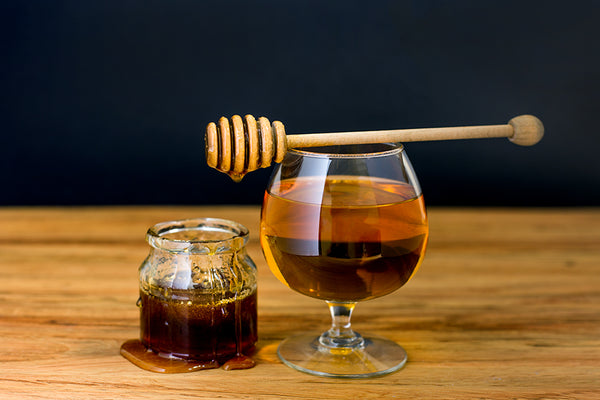
Main ingredients of mead
A traditional mead can be made with very few ingredients: honey, water, and yeast. However, making good mead requires controlling raw material quality, nutrients, pH, temperature, hygiene, fermentation, stabilization, and maturation.
| Ingredient or variable | Function | Impact on the final result |
|---|---|---|
| Honey | Adds fermentable sugars and aromatic character. | Defines floral, herbal, fruity, resinous, toasty or varietal notes. |
| Water | Dilutes the honey and forms the mead must. | The water must taste good and be free of odors, excess chlorine or faults. |
| Yeast | It ferments the sugars in the honey. | It determines alcohol level, aromatic cleanliness, attenuation, tolerance, and final profile. |
| Nutrients | They help the yeast to ferment properly. | They reduce slow fermentations, stalls or off-aromas. |
| Fruit, spices or herbs | They add complexity or create substyles. | They give rise to melomel, metheglin, cyser, pyment and other variants. |
| Gas or carbonation | Define whether the mead will be still, carbonated, or sparkling. | It conditions the packaging, service, tap, pressure, and experience in the glass. |
How mead is made
The basic process consists of dissolving honey in water, adjusting the must, adding yeast and letting it ferment. Afterwards it can be clarified, stabilized, matured, sweetened, carbonated or packaged depending on the style. Although the recipe seems simple, honey has few nutrients available for yeast, so fermentation management is very important.
1. Honey selection
Choose multifloral honey, monofloral, forest, orange blossom, rosemary, heather, chestnut, or another variety depending on the desired profile.
2. Mix with water
The honey is diluted in water to form a fermentable must with a specific gravity.
3. Wort adjustment
Density, nutrients, pH, temperature and hygiene are checked before pitching yeast.
4. Fermentation
Yeast transforms sugars into alcohol. Temperature and nutrition are key to avoiding flaws.
5. Maturation
Mead may require time to integrate alcohol, aromas, acidity, sweetness and structure.
6. Packaging or service
It can be packaged in bottle, keg, keg barrel, Bag‑in‑Box or prepared for tap service.
Honey ferments, but it doesn’t always ferment easily
Honey is rich in sugars but poor in some nutrients that yeast needs. That’s why a clean, balanced mead requires technical control: nutrients, initial oxygen if appropriate, temperature, suitable yeast, hygiene and maturation time.
How much alcohol does mead have?
The strength of mead can vary greatly. There are light and refreshing versions with lower alcohol, traditional meads with medium strength, and intense or aging versions with higher alcohol. It depends on the initial amount of honey, the yeast, attenuation and the style.
| Indicative type | Typical profile | Recommended service | Tap compatibility |
|---|---|---|---|
| Light mead or session mead | More refreshing, lower alcohol, sometimes carbonated. | Chilling, and a glass or tumbler suited to quick service. | Very interesting for tap if it is stabilized and designed for it. |
| Traditional Mead | Balance between honey, alcohol, sweetness and acidity. | Wine-style glass, tulip or tasting glass. | Compatible if gas, cold, oxidation, and cleaning are controlled. |
| Sweet or dessert mead | Greater sweetness, body, and aromatic concentration. | Small glass and gastronomic service. | Less common on continuous tap; useful for tastings or controlled service. |
| Sparkling Mead | With natural or added carbonation. | Flute, tulip or technical glass. | Requires pressure, cooling, CO₂, and a compatible tap. |
Types of mead
Mead has many styles and substyles. Some are based only on honey, water, and yeast; others incorporate fruit, spices, apple, grape, malt, or hops. This diversity is one of the reasons why it is once again attracting interest from craft producers, breweries, specialty bars, and fermented beverage projects.
| Type | What it is | Sensory profile | Normal use or service |
|---|---|---|---|
| Traditional Mead | Honey, water, and yeast as the main base. | Floral, honeyed, dry or sweet depending on production. | Wine glass, tulip, tasting glass or bottle. |
| Melomel | Mead with fruit. | Fruity, sour, aromatic, or sweet depending on the fruit used. | Glassware, tap if stable, events, or food pairing. |
| Metheglin | Mead with spices, herbs, or botanicals. | Spiced, herbal, complex, or gastronomic. | Tasting glass, cocktail glass or special service. |
| Cyser | Mead made with apple or apple must. | Between cider and mead, with integrated fruit and honey. | Interesting for cider and fermented beverage producers. |
| Pyment | Mead with grapes or grape must. | A bridge between wine and mead. | Gastronomic glass, bottle or by-the-glass service. |
| Braggot | Mead with malt, close to the beer world. | Blend of honey, grain, body, and possible hops. | Very interesting for craft breweries and tap. |
| Sparkling Mead | Mead with natural or forced carbonation. | Refreshing, aromatic, with a lighter feel. | Glass, event, tap, keg or sparkling bottle. |
| Session mead | Light mead, designed to be drunk fresher and more easily. | Lower alcohol, more refreshing, often carbonated. | Highly compatible with tap, bars and festivals. |
Differences between mead, beer, wine, and cider
Mead can resemble other fermented drinks, but it differs in its main fermentable ingredient: honey. This changes the production process, aromatic profile, raw material cost, and serving method.
| Beverage | Fermentable base | Typical profile | Relationship with mead |
|---|---|---|---|
| Mead | Honey diluted in water. | Floral, honeyed, dry, sweet, fruity, spicy or sparkling. | A drink in its own right; it can resemble wine, cider, or beer depending on the style. |
| Beer | Malted grains, especially barley. | Malt, hops, yeast and carbonation. | Braggot connects both worlds: honey + malt. |
| Wine | Grape. | Fruit, acidity, tannin, alcohol and varietal origin. | Pyment connects mead and grape. |
| Cider | Apple. | Tart, fruity, dry, sparkling or still. | Cyser bridges mead and apple. |
| Vermouth | Aromatized and fortified wine depending on style. | Botanicals, sugar, bitterness, and aperitif character. | It is not mead, although both can be served on tap with the right technique. |
Key idea for hospitality
Mead should not be sold as “honey beer.” It can be served in beer bars, but it is a fermented drink with its own identity. On the menu it’s best to describe it as mead, honey wine, or fermented honey drink, highlighting sweetness, carbonation, fruit, spices, and serving style.
How mead is served
Service depends on the style. A dry still mead can be served like a white or fortified wine. A sweet mead can work as a dessert glass. A sparkling mead can be served chilled in a tulip or sparkling wine glass. A carbonated session mead can be served more like a modern cider, hard kombucha or light beer.
| Style | Guideline temperature | Stemmed glass or tumbler | Service |
|---|---|---|---|
| Traditional dry mead | Cool, not excessively cold. | White wine glass, tulip or tasting glass. | Food service, aperitif, or pairing. |
| Sweet mead | Cool or slightly chilled. | Small glass or dessert glass. | Desserts, cheeses, nuts or tasting portions. |
| Melomel or fruit mead | Chilled or cool, depending on fruit and sweetness. | Tulip glass, wine glass, or serving glass. | By‑the‑glass service, events, or cocktail service. |
| Braggot | Similar to strong beer or special ale. | Tulip, pint, Belgian glass or TEKU. | Ideal for craft breweries and tap service. |
| Carbonated session mead | Cold. | Tall glass, tulip glass, or cider glass. | Very suitable for tap, terrace or events. |
| Sparkling Mead | Cold. | Flute, tulip or technical glass. | Celebration, gastronomic menu or special service. |
Mead served on tap
Mead can be dispensed on tap when the product is prepared for it and the installation respects its characteristics. Serving a still dry mead is not the same as a carbonated session mead, a braggot, a fruit melomel or a sweet dessert mead. Each case requires reviewing gas, pressure, temperature, stability, cleaning and line material.
In professional projects, mead can be run through keg, KeyKeg, Cornelius, Bag-in-Box, or tank, as long as the producer has validated the format. For still products, it may be desirable to avoid unwanted carbonation. For sparkling or carbonated products, CO₂, pressure, chilling, and tap must be controlled.
Do you want to serve mead on tap?
We can help you assess whether your mead works better in keg, Cornelius, KeyKeg, Bag-in-Box or a mobile system, and what gas, cooling, tap, line and cleaning it needs.
See mead dispensers Request adviceApplications in hospitality, events, and production
Mead can be a very interesting drink for specialty bars, craft breweries, fine‑dining restaurants, medieval fairs, themed events, meaderies, beekeeping producers, gourmet shops and multi‑beverage projects. Its value lies in offering a powerful story and a different sensory profile.
| Type of business | Opportunity | Possible format | Objective |
|---|---|---|---|
| Craft brewery | Expand your menu with an alternative fermented beverage. | Braggot, session mead or carbonated mead in keg. | Differentiate the offer and attract curious customers. |
| Gastronomic restaurant | Pairing with cheeses, desserts, meats, spices or signature cuisine. | Bottle, tasting glass, controlled tap or Bag-in-Box. | Create a glass service and pairing experience. |
| Event or festival | Fast service of an unusual craft drink. | Portable dispenser, keg or Cornelius. | Speed, storytelling and less bottle handling. |
| Meadery or producer | Develop the horeca channel or in-house tasting. | Tap, kegs, Bag-in-Box, or tasting system. | Validate formats and professionalize service. |
| Gourmet shop | Tastings, private events or by‑the‑glass sales. | Small tap system or service with preservation. | Raise product awareness and increase rotation. |
| Hotel, rooftop, or multi-beverage space | Differentiated offer alongside beer, wine, vermouth, kombucha, or cider. | Multi‑beverage system with dedicated lines. | Expand your on-tap drinks menu and experience. |
What to check to set up mead on tap
Before setting up a mead-on-tap system, you need to study the specific product. Sweetness, alcohol, carbonation, fruit, spices, pH, stability, sediment and format all affect the installation. A sweet or fruited mead may require more careful cleaning than a dry, filtered drink.
| Need | Recommended product or service | Internal link |
|---|---|---|
| Serving chilled mead on tap | Dispenser, cooler, undercounter system or portable unit. | Mead dispensers |
| Set up a visible service point | Tap, tower, drip tray, handle, and bar support. | Drink taps |
| Push from barrel, keg or Cornelius | Gas, regulator, pressure gauge, coupler or compatible connector. | Gas and regulators |
| Connect product line | Food-grade tubing, fittings, quick connectors, and check valves. | Dispensing tubes |
| Prevent leaks and air ingress | Compatible fittings, gaskets, adapters, and connectors. | Connectors and fittings |
| Maintain flavor and hygiene | Cleaning canister, detergents, adapters, and regular cleaning. | Cleaning and maintenance |
| Design a professional solution | Technical study, supply, installation, commissioning, and training. | Tap beverage systems |
Checklist before dispensing mead on tap
- Confirm whether the mead is designed for bottle, keg, keg system, Cornelius, KeyKeg or Bag-in-Box.
- Define whether it is traditional, melomel, metheglin, cyser, pyment, braggot, sparkling or session mead.
- Check alcohol, sweetness, pH, fruit, spices, sediment and stability.
- Set the serving temperature and required cooling capacity.
- Choose CO₂, nitrogen, blend, inert gas or pump depending on product and goal.
- Avoid unwanted carbonation in still meads.
- Control pressure and flow if the product is sparkling or carbonated.
- Use food-grade line and connectors compatible with alcoholic and aromatic beverages.
- Plan for cleaning the line, tap, fittings, tray and coupler.
- Do a service test before opening to the public or setting up an event.
Design your mead-on-tap system with solid technical criteria
At Install Beer we can assess the type of mead, format, gas, cooling, tap, line, cleaning, installation, and maintenance for bars, restaurants, producers, meaderies, events, and multi-beverage projects.
See solutions for mead Review projectFrequently asked questions about mead
What is mead?
Mead is a fermented alcoholic drink made mainly with honey, water and yeast. It’s also known as mead or honey wine.
Is mead beer or wine?
It’s not beer, because its fermentable base is not malt. It’s not grape wine either, although it’s often compared with wine or called honey wine. It’s a fermented drink with its own identity.
Does mead contain alcohol?
Yes. Mead contains alcohol because the sugars in the honey ferment by means of yeast. The strength depends on the recipe, amount of honey, yeast, final sweetness and style.
How is mead made?
Honey is mixed with water, the must is adjusted, yeast is added and it is left to ferment. Afterwards it can mature, clarify, be stabilized, sweetened, carbonated or packaged depending on the style.
What types of mead are there?
There are traditional meads, melomels with fruit, metheglins with spices or herbs, cysers with apple, pyments with grape, braggots with malt, sparkling meads and session meads, among others.
What’s the difference between mead and braggot?
Braggot is a variant that combines honey and malt, so it sits between the worlds of mead and beer. It can be very interesting for craft breweries and on-tap service.
Can mead be served on tap?
Yes, as long as the product is prepared for it. You must assess format, gas, pressure, temperature, line, cleaning, sweetness, carbonation, and stability.
Which mead works best on tap?
Meads designed for kegs, barrels, Cornelius kegs or on-tap service work especially well, such as carbonated session mead, stable braggot, stable melomel or sparkling mead.
What gas is used to serve mead on tap?
It depends on the product. A carbonated mead may require CO₂; a still one may need inert gas, nitrogen, blend or pump to avoid unwanted carbonation. It must be defined case by case.
Can Install Beer set up a mead system on tap?
Yes. Install Beer can help you design, supply, install and maintain mead‑on‑tap systems for hospitality, events, producers and multi‑beverage projects.
Technical note: mead must be handled according to its style, format and the producer’s recommendation. A traditional sweet mead is not the same as a carbonated session mead, a braggot, a fruit melomel or a sparkling mead. Before installing a tap system, it’s advisable to validate the product, gas, cooling, line, cleaning and service experience.