What are IBUs in beer?
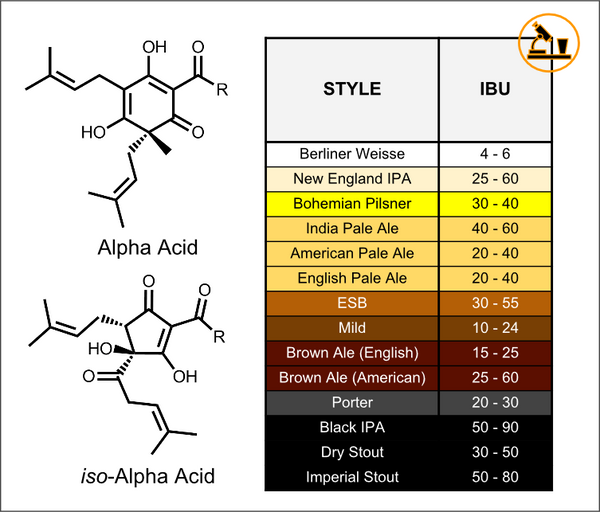
For some time now we’ve seen IBUs on beer labels, especially on craft beers. But what do these initials refer to? IBU stands for International Bitterness Unit. In Spanish, unidad internacional de amargor. In other words, IBUs are used to measure a beer’s bitterness—at least in theory.
Using a mathematical formula, bitterness in IBUs is calculated on a scale from 0 to 100, where 10 is slightly bitter and 90 is very bitter. However, there are beers with 200 or even 1,000 IBUs that claim to be the most bitter beers in the world. The reality is quite different, since humans can perceive a maximum of about 100 IBUs (120 in the case of people with exceptional sensitivity). This means the perceived bitterness will be the same from 100 units upwards.
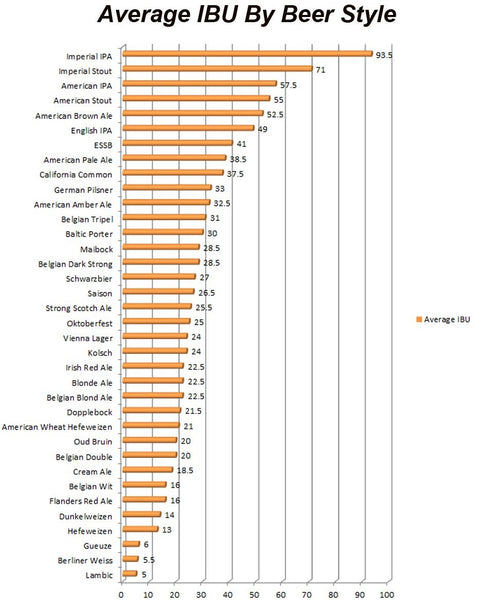
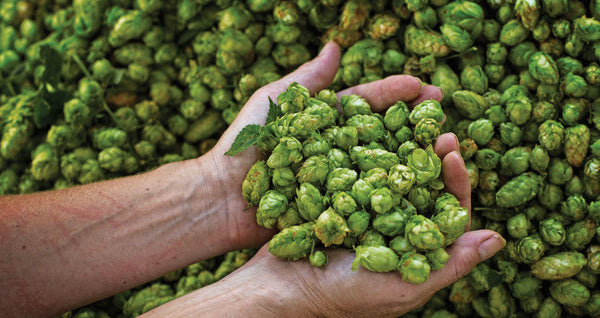
However, it is not true that beer bitterness depends exclusively on IBUs. This chemical unit interacts with other components. To understand this, we must see beer as the overall result of a combination of different ingredients that interact with each other. Hops provide most of the beer’s bitterness through their resins. Depending on the resins in each hop variety, it will contribute more or less bitterness. The IBU formula is calculated in relation to the amount of hops and the time of their addition. For example, they do not contribute bitterness during dry hopping.
In addition, other ingredients such as highly roasted malts or certain fruit and spice additions also contribute bitterness. It’s more complex than it seems, isn’t it?
In reality, IBUs by themselves don’t guarantee anything; they simply serve as a guideline. The truth is that the volume of malt and other grains converted into residual sugars counteracts the bitterness. You probably adjust a stew at home when it’s too bland or too salty, right? The same thing happens with beer. That’s why we always say that one of the virtues of quality beer is balance—the harmony among all the ingredients. So even if a beer has 100 IBUs, it doesn’t necessarily taste overly bitter if it also contains a high volume of malt that contributes sweetness. Remember that sweetness reduces the perception of bitterness. It’s the same principle behind adding sugar to coffee.
If you want to discover the wide range of sensations that high IBU figures can provide, we recommend a comparative tasting of styles such as American Pale Ale, IPA, Double IPA, Triple IPA, and West Coast IPA. Or simply try several beers with the same IBU level at the same time. You’ll be surprised!