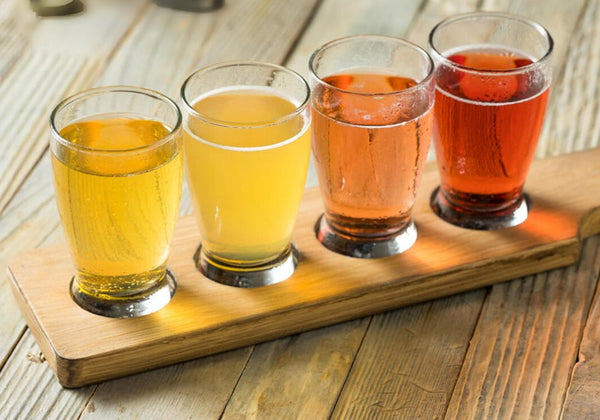
What are the main flaws in mead?
Tasting mead is not a difficult task when we are clear about the main faults to look out for. As with beer, certain compounds or attributes are clearly undesirable. In other cases, it is a matter of fine‑tuning how we interpret a style. Since mead is still a relatively unknown drink, we present a list of the most common faults and how to detect them.
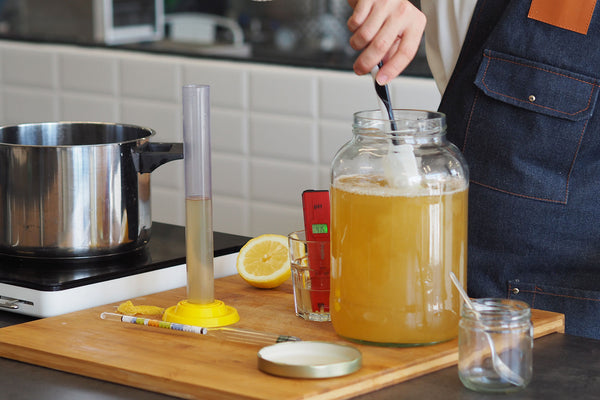
- Acetic: it’s easy to identify because you’ll find a mead with a vinegar-like aroma and flavor.
- Watery: unfortunately, more common in commercial meads than homemade ones, as it results from an insufficient proportion of honey in the recipe.
- Solvent-like: associated with the presence of higher (fusel) alcohols. The aroma is reminiscent of acetone or nail polish.
- Cloying: possibly an unfinished mead that has left some of the sugars unfermented. You can still perceive raw honey. An excessively sweet mead loses its balance.
- Ethanol: an overly obvious alcoholic sensation that warms the throat.
- Phenolic: an overpowering, invasive aroma reminiscent of medicine or spices such as clove.

- Overripe fruit: some fruits produce unpleasant flavors when subjected to the fermentation and maturation process of mead, in this case melomel. For example, banana and pineapple are not recommended because of the compounds they generate as they break down.
- Mold: sometimes, due to inadequate sanitation of the equipment or the use of fruit or other unsterilized adjuncts (by freezing, for example), a layer of fungus appears on the surface of the mead, which is rich in sugars, during fermentation. It should be discarded immediately.
- Oxidation: it is easy to identify by flavours reminiscent of sherry in high-strength styles, and a wet cardboard aroma in lower-alcohol styles.
- Sulfur: a clear reminder of rotten eggs or boiled vegetables.
- Tannins: mead that is excessively astringent, like highly concentrated tea. This flaw comes not so much from barrel aging as from the addition of certain fruits with skins and seeds.
- Turbidity: although it is more of a visual flaw, according to the BJCP, for most mead styles the ideal appearance is crystal clear.
Now that you know the most important flaws in mead, you’ll be able to tell a quality mead from the next concoction someone offers you. As with wine and beer, anything does not go. The fact that it’s a drink with an experimental character does not justify flaws we would not accept in other beverages.