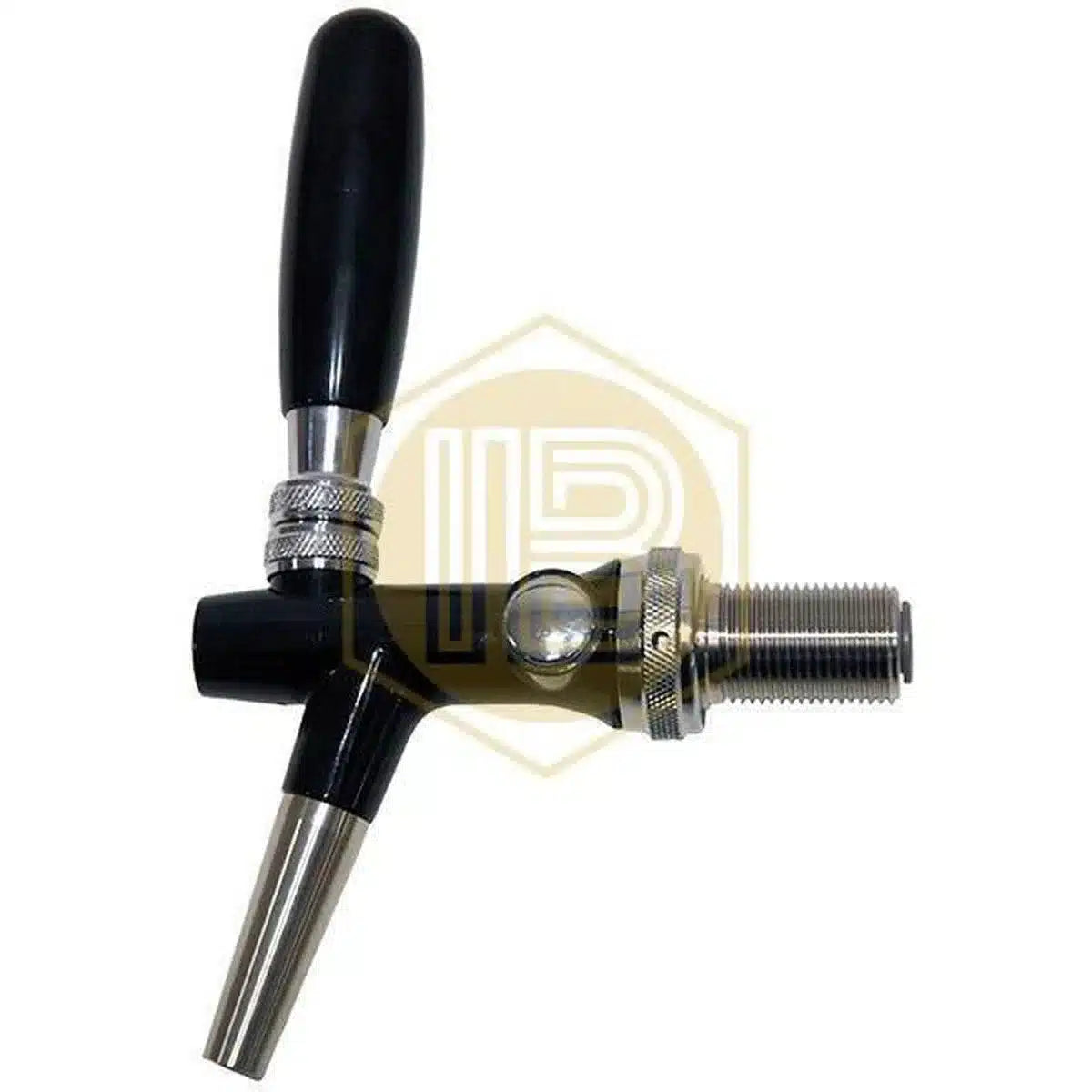
Draft wine and Bag-in-Box to tap dispenser
Draft wine and Bag-in-Box dispensing by tap is an innovative and sustainable way of serving wine in bars, restaurants, and events. This system allows wine to be stored and dispensed directly from kegs or airtight bags (Bag in Box) through taps, offering benefits in terms of quality, freshness, and waste reduction.
- Features
- Best sellers
- Alphabetically, A–Z
- Alphabetically, Z–A
- Price, low to high
- Price, high to low
- Date: oldest to newest
- Date: newest to oldest
111.54€
160.95€
Available on backorder
3.92€
134.67€
8.53€
The key components of a tap wine dispensing system for kegs and Bag-in-Box include:
1. Keg or Bag-in-Box: The wine is stored in special wine kegs or in hermetically sealed bags (Bag-in-Box) designed to maintain the wine’s quality and freshness.
2. Fittings and tubing: Wine-specific fittings and tubing are used to connect the keg or Bag-in-Box to the dispensing tap, ensuring proper wine flow and preventing contamination.
3. Pressurization system: The pressurization system, which generally uses inert gas such as carbon dioxide (CO2) and nitrogen (N2), maintains constant pressure in the keg or Bag-in-Box to ensure proper dispensing and prevent oxidation of the wine.
4. Dispensing tap: A tap specifically for wine, without filters or flow compensators, designed to dispense wine from kegs or Bag-in-Box, ensures correct handling and preservation of the wine’s quality.
Dispensing wine from kegs and Bag-in-Box on tap offers numerous advantages compared to serving wine from bottles:
1. Waste Reduction: These systems eliminate the need for glass bottles, significantly reducing waste generation and environmental impact.
2. Lower Risk of Oxidation: The use of inert gas and the system’s design protect the wine from oxidation, preserving its quality and freshness.
3. Longer Shelf Life: Thanks to the pressurization system and storage in kegs or Bag-in-Box, the wine can maintain its quality for longer after opening compared to bottled wine.
4. Greater Service Efficiency: Wine on tap allows for faster, more efficient service, improving the customer experience.
5. Efficient Storage: These systems take up less space than glass bottles, making storage easier and saving space in limited areas.
6. Durability: Wine kegs and bags are strong and durable, reducing the risk of breakage and spills.
7. Oxidation Prevention: The design of Bag-in-Box and kegs prevents air from coming into contact with the wine, ensuring its freshness.
8. Safe Handling: These systems are easier and safer to handle than glass bottles, minimizing the risk of accidents and breakage.
9. Controlled Temperature: Dispensers feature dedicated cooling systems to ensure the wine is served at the correct temperature.
10. Customization and Sustainability: Venues can customize presentation and reduce waste generation, promoting sustainable practices.
To ensure the quality and freshness of the wine dispensed, proper maintenance and cleaning of the system is essential. This includes regular cleaning and disinfection of the lines and taps, checking fittings and seals, and maintaining the pressurization system.
Installation and wine-on-tap dispensing system
A wine-on-tap dispensing system is an innovative solution for serving wine in hospitality venues. The wine is stored in kegs or Bag-in-Box connected to the dispensing system, keeping it fresh and protected from light and oxygen.
Inert gas, such as nitrogen, is used to pressurize the container and push the wine towards the tap. Cooling is carried out before service to maintain the correct temperature. The taps control flow rate and volume, allowing precise service.
To install the system, choose a suitable location, hire a professional, and ensure there is enough space and capacity for the kegs or Bag-in-Box. Connect the lines from the containers to the cooling unit and the taps. Adjust gas pressure and temperature. Perform tests and regular maintenance to ensure optimal operation and consistent wine quality.
Wine-on-tap dispensing from kegs and Bag in Box is a method of serving wine stored in kegs or in hermetically sealed bags (Bag in Box) directly through taps. This method is an alternative to serving wine in bottles and offers advantages such as reduced waste, easier storage and a lower environmental impact.
The components of a wine-on-tap dispensing system from keg and Bag in Box include the keg or wine bag (Bag in Box), the appropriate connections and tubing, the pressurization system (usually using an inert gas such as nitrogen or argon), a chiller for white, rosé and sparkling wine, and finally the dispensing tap.
Wine-on-tap dispensing from keg and Bag in Box offers several advantages, such as reduced glass waste, less storage space, a lower environmental impact due to less packaging, a longer shelf life after opening and a lower likelihood of wine oxidation.
The shelf life of wine in kegs and Bag in Box after opening can vary, but it is generally several weeks. Shelf life can be longer if a pressurization system with inert gas such as carbon dioxide (CO2) and nitrogen (N2) is used, which helps prevent oxidation and maintain a constant temperature.
It is important to use a tap specifically designed for wine, intended for dispensing wine from kegs or Bag in Box. These taps are designed to handle wine properly and maintain its quality and organoleptic characteristics. For example, it is not necessary for the taps to incorporate filters or flow compensators.
Generally, inert gases such as carbon dioxide (CO2) and nitrogen (N2) are used to pressurize wine in a dispensing system from kegs and Bag in Box. These gases do not react with the wine, do not carbonate it and help prevent oxidation and maintain the wine’s quality.
As with any dispensing system, it is important to carry out regular maintenance, such as cleaning and disinfecting the lines and taps, as well as checking connections and seals. It is also important to ensure that the pressurization system is working properly and to maintain the correct pressure for the type of wine being dispensed.
Red wines are made from red grapes and offer a range of flavors from fruity and light to earthy and robust. They have a higher tannin content and are usually served at warmer temperatures than white and rosé wines. Some popular examples include Cabernet Sauvignon, Merlot, Pinot Noir and Tempranillo.
White wines are made from white grapes and range from dry and acidic to sweet and fruity. They are lighter than red wines and are served at cooler temperatures to highlight their flavors and aromas. Chardonnay, Sauvignon Blanc, Riesling and Viognier are some examples of white wines.
Rosé wines are made from red grapes but with limited contact with the grape skins during fermentation. This results in a pink-colored wine that combines characteristics of both red and white wines. Rosés can be dry or semi-sweet and are served chilled. Examples include Rosé de Pinot Noir and Garnacha Rosado.
Sparkling wines are characterized by their effervescence, which is obtained through a second fermentation in the bottle or in a tank. They can be white, rosé or red and vary in sweetness from brut (very dry) to sweet. Champagne, Cava and Prosecco are examples of sparkling wines.
Fortified wines are wines to which alcohol, such as brandy, is added during or after fermentation, increasing their alcohol content and providing unique flavors and textures. Fortified wines can be red, white or rosé and vary in sweetness. Examples include Port, Sherry and Madeira.